Author: admin

  • Which Midea AC Is Best for a Bedroom, Villa or Office?

    Which Midea AC Is Best for a Bedroom, Villa or Office?

    Choosing the best Midea AC depends on where you plan to install it. A bedroom needs quiet and comfortable cooling, a villa may require several indoor units or a centralized system, while an office can need a more powerful and flexible solution for multiple people and rooms.

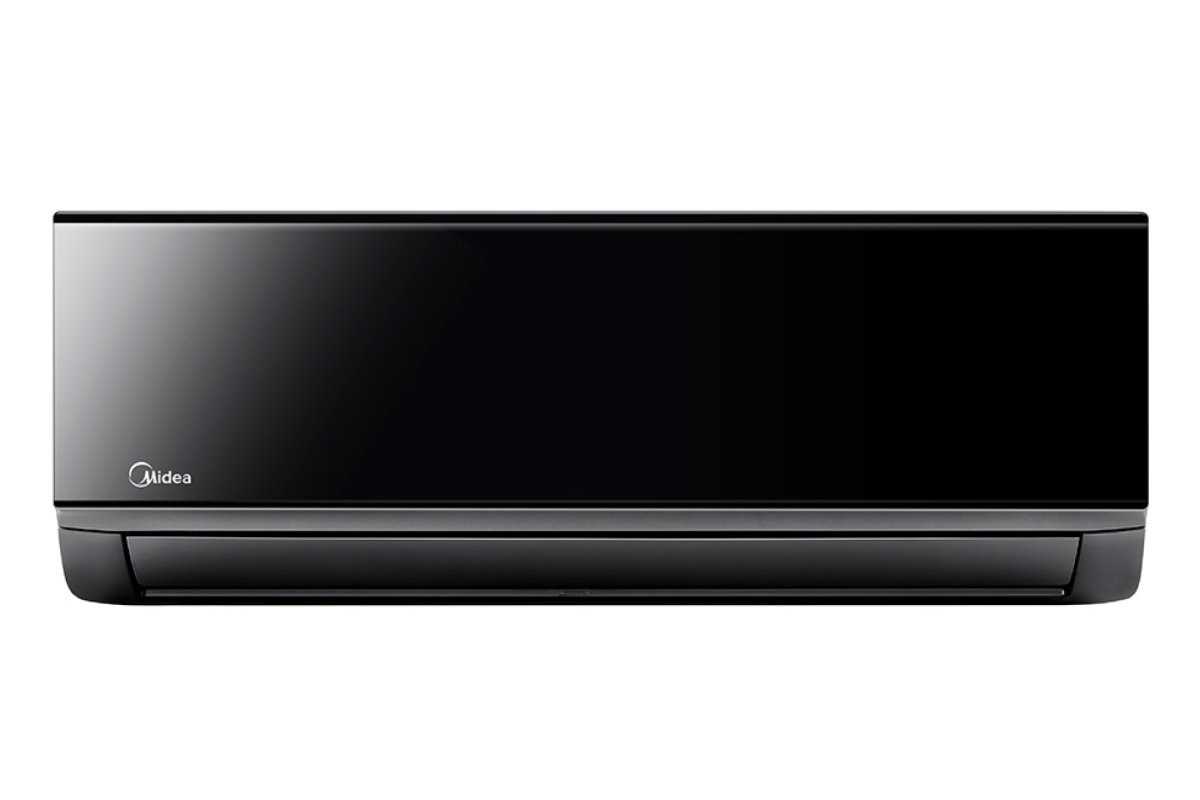
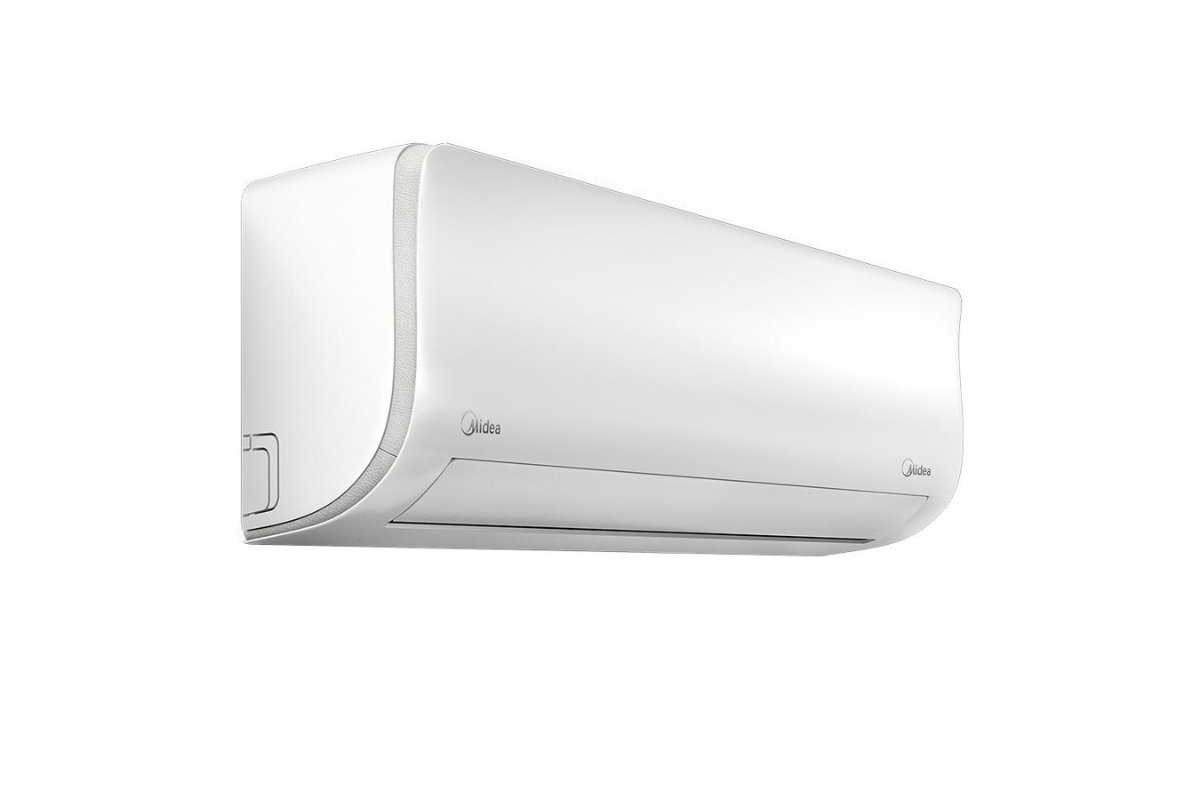
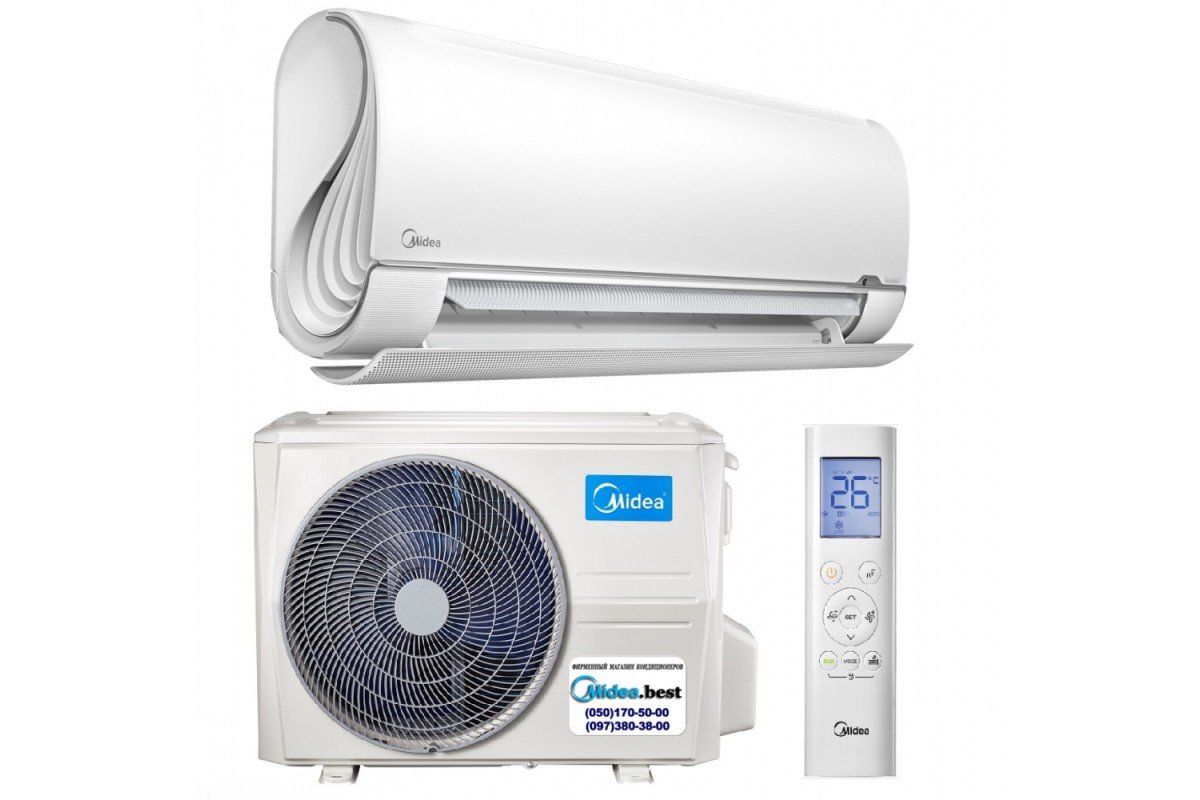
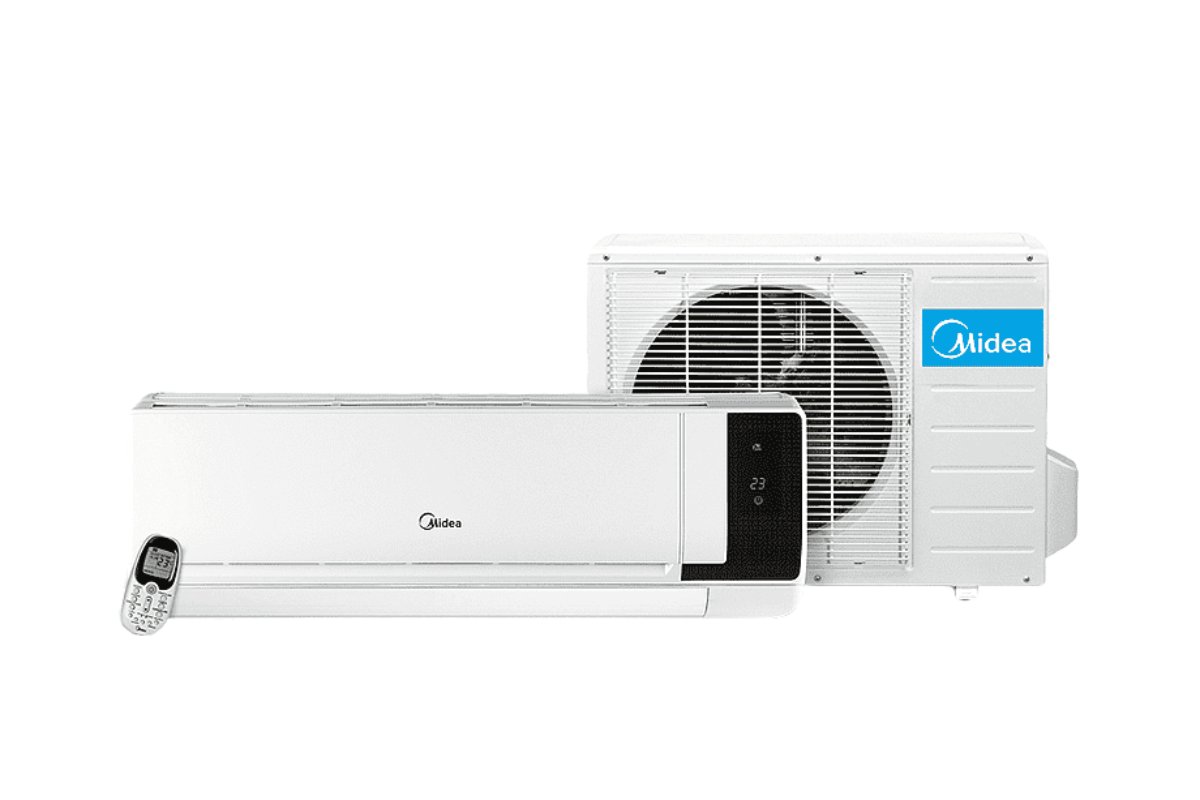
    Midea offers different air conditioning systems for residential and commercial applications, including wall mounted split ACs, window units, floor standing systems, cassette ACs, ducted systems, VRF systems, and package ACs. This range makes it possible to choose a cooling solution based on the size, layout, and purpose of a property.

    However, having many choices can also make the buying process confusing. You may wonder whether you need a 1 ton, 1.5 ton, 2 ton, or larger unit. You may also need to decide between an inverter split AC, ducted system, cassette AC, or VRF solution.

    What Makes the Best Midea AC?

    There is no single Midea air conditioner that is best for every property.

    The right model depends on the property’s cooling requirements and how the space will be used. Before selecting an AC, consider:

    • Room or building size
    • Cooling load
    • Number of occupants
    • Window size
    • Sun exposure
    • Ceiling height
    • Insulation
    • Operating hours
    • Property layout
    • Desired temperature control
    • Installation requirements
    • Energy efficiency
    • Budget

    A bedroom may only need a wall mounted split AC, while a large villa could benefit from multiple split systems or a ducted solution. Similarly, a small office may work well with split AC units, while a larger commercial space may require cassette, ducted, or VRF technology.

    The best Midea AC is therefore the system that provides sufficient cooling for your particular space without being unnecessarily large or unsuitable for the property’s design.

    Best Midea AC for a Bedroom

    For an individual bedroom, a wall mounted split AC is often one of the most practical choices.

    Midea’s current product range includes wall mounted split models in several capacities, including 1 ton, 1.5 ton, 2 ton, 2.5 ton, and 3 ton options. The listed range includes both standard and inverter models.

    A split system can be particularly convenient for bedrooms because it provides independent cooling without requiring a centralized system for the entire property.

    Why Choose a Midea Split AC for a Bedroom?

    A wall mounted split AC can offer:

    • Individual room temperature control
    • Direct and adjustable airflow
    • Relatively straightforward installation
    • Space efficient indoor equipment
    • Suitable cooling for bedrooms of different sizes
    • Inverter options for regular use

    The exact model should still be selected according to the room’s cooling requirements.

    Best Midea AC for a Small Bedroom

    A smaller bedroom may require a lower capacity unit.

    For example, the current AC Supplier UAE product range includes a Midea Xtreme Premium Inverter Wall AC with 1 ton capacity.

    A 1 ton system can be suitable for certain smaller rooms, but room dimensions should not be the only factor used to determine capacity.

    A bedroom with large windows, direct sunlight, poor insulation, or a high ceiling may require a different cooling capacity from a similar sized room with better insulation and less heat exposure.

    Best Midea AC for a Larger Bedroom

    Larger bedrooms may require higher capacity systems.

    The current Midea range includes 1.5 ton and 2 ton wall mounted inverter models, providing options for spaces with greater cooling requirements.

    Before purchasing, consider the room’s size, orientation, windows, occupants, and typical operating hours.

    Is a Midea Inverter AC Good for a Bedroom?

    A Midea inverter AC can be a good option for a bedroom that requires regular cooling.

    Inverter technology allows the compressor to adjust its operation according to cooling demand instead of running at a fixed level. This can help maintain a more consistent indoor temperature and improve energy efficiency under suitable operating conditions. As a trusted AC Supplier, we offer reliable cooling solutions, including Midea AC systems designed for efficient and comfortable indoor cooling.

    An inverter AC can be particularly useful when:

    • The bedroom is used every day
    • The AC operates for several hours
    • Stable temperature is important
    • Energy consumption is a concern
    • You want to avoid unnecessary full power operation

    The Midea product range currently includes several wall mounted inverter models, including 1.5 ton and 2 ton options.

    What Should You Consider When Choosing a Bedroom AC?

    The capacity is not the only consideration.

    Noise Level

    A bedroom AC should provide comfortable cooling without creating unnecessary disturbance while sleeping.

    Airflow Direction

    Consider where the indoor unit will be installed. Air should circulate effectively throughout the room without creating an uncomfortable direct draft toward the bed.

    Energy Efficiency

    If the AC runs every night, efficiency can have a meaningful effect on long term operating costs.

    Temperature Control

    A system that maintains a stable temperature can provide a more comfortable sleeping environment.

    Installation Position

    The indoor unit should be positioned where it can distribute air effectively and where maintenance can be performed conveniently.

    Best Midea AC for a Villa

    Choosing an AC for a villa requires more planning than choosing a system for one bedroom.

    A villa may have several bedrooms, living areas, dining rooms, kitchens, hallways, staircases, and other spaces. Each area may have different cooling requirements.

    There are two common approaches to consider:

    1. Multiple Midea split AC systems
    2. A centralized Midea ducted AC system

    The right choice depends on the villa’s existing design, construction stage, ceiling space, number of rooms, and desired temperature control.

    Midea Split AC for Villas

    Multiple split AC units can be practical when you want individual control over different rooms.

    For example, bedrooms can have their own units while the living room uses a higher capacity system.

    This approach can be useful when:

    • Different rooms are used at different times
    • Individual temperature control is important
    • The villa does not have existing ductwork
    • You want room by room operation
    • Installation needs to be completed without major ceiling modifications

    One advantage is that occupants do not need to cool unused rooms when only one part of the villa is occupied.

    Midea Ducted AC for Villas

    A ducted AC system can be an attractive option for larger villas where centralized cooling is preferred.

    Midea ducted systems can distribute conditioned air through concealed ductwork, making them suitable for applications where homeowners want a cleaner interior appearance.

    AC Supplier UAE describes Midea ducted systems as suitable for villas, apartments, offices, commercial buildings, hotels, warehouses, and other applications.

    Advantages of a Ducted System

    A Midea ducted AC can provide:

    • Centralized cooling
    • Concealed indoor equipment
    • Cooling across multiple rooms
    • More uniform air distribution
    • Centralized controls
    • Potential zoning options
    • A cleaner interior appearance

    Ducted systems are particularly worth considering during new construction or major renovations because the required ductwork can be incorporated into the building design.

    Midea Split AC vs Ducted AC for a Villa

    Both options can work well, but they serve different needs.

    FactorMidea Split ACMidea Ducted AC
    Best suited forIndividual roomsMultiple rooms
    Room controlIndividualCentralized or zoned
    InstallationGenerally simplerMore complex
    Indoor unitVisible wall unitMostly concealed
    DuctworkNot requiredRequired
    Best forExisting propertiesNew builds and major renovations
    FlexibilityHigh for individual roomsHigh for centralized layouts

    If the villa is already completed and you want independent room control, split AC may be more practical.

    If you are constructing or renovating a large villa and want centralized cooling, ducted AC may be worth considering.

    Best Midea AC for an Office

    Office cooling requirements can be considerably different from residential cooling.

    An office may have employees, computers, printers, lighting, meeting rooms, glass partitions, and frequently changing occupancy levels. All these factors can influence the cooling load.

    The best Midea AC for an office therefore depends on its size and layout.

    Small Office

    A wall mounted Midea split AC can be suitable for smaller offices, particularly when individual rooms require separate temperature control.

    For example, separate units could be installed for:

    • Reception
    • Manager’s office
    • Meeting room
    • Staff room
    • Small workspace

    This approach can allow each room to operate independently.

    Medium Office

    For medium sized offices, cassette or ducted AC can offer better air distribution depending on the ceiling design and floor plan.

    A cassette system can distribute air across a wider area while keeping the indoor unit integrated into the ceiling.

    A ducted system may be preferable when concealed cooling and centralized operation are priorities.

    Large Office

    Larger offices may require a more comprehensive HVAC solution.

    Midea VRF systems can be considered for larger buildings with multiple zones and varying cooling requirements. VRF technology allows multiple indoor units to operate through a connected outdoor system and can provide flexible zone control.

    AC Supplier UAE currently promotes Midea VRF among its HVAC solutions for residential and commercial applications.

    Midea Cassette AC for Offices

    Cassette AC systems can be useful in offices where a ceiling mounted solution is appropriate.

    They can distribute conditioned air across a wider area than a typical wall mounted unit and can provide a more integrated appearance.

    Cassette AC may be worth considering for:

    • Open plan offices
    • Retail spaces
    • Meeting areas
    • Shops
    • Commercial rooms
    • Medium sized workspaces

    The ceiling structure and available installation space should be checked before selecting this type of system.

    Midea Ducted AC for Offices

    Ducted systems are often considered when an office needs centralized cooling with concealed indoor equipment.

    They can be suitable for:

    • Corporate offices
    • Banks
    • Retail environments
    • Hotels
    • Commercial buildings
    • Larger residential properties

    AC Supplier UAE states that its Midea ducted solutions are available for residential and commercial applications and offers supply, installation, and after sales support.

    Midea VRF for Large Offices

    For large offices with several rooms or zones, VRF technology can provide greater flexibility.

    A VRF system can connect multiple indoor units to outdoor equipment, allowing different areas to receive cooling based on their requirements.

    This can be useful when:

    • Different rooms have different occupancy levels
    • Cooling demand changes throughout the day
    • Multiple zones need independent control
    • The building has many indoor spaces
    • Centralized HVAC management is required

    The right VRF design should be based on proper cooling load calculations and building requirements.

    How to Choose the Correct Midea AC Capacity

    Selecting the correct capacity is one of the most important parts of buying an AC.

    Midea split AC options available through AC Supplier UAE currently include several capacities, from a 1 ton wall mounted inverter model to 3 ton wall mounted split systems.

    However, capacity should not be selected simply by looking at the property’s floor area.

    A professional assessment should consider:

    • Room dimensions
    • Ceiling height
    • Windows
    • Sun exposure
    • Insulation
    • Number of occupants
    • Electrical equipment
    • Building orientation
    • Floor level
    • Usage patterns

    Why an Undersized AC Can Be a Problem

    If an AC is too small for the space, it may struggle to achieve the desired temperature during periods of high heat.

    The system may need to operate continuously while still failing to provide adequate comfort.

    Why an Oversized AC Is Not Always Better

    A larger AC is not automatically more efficient.

    If the system is significantly oversized, it may cool the room quickly without providing the ideal balance of temperature and humidity control.

    Correct sizing is therefore more important than simply choosing the largest available capacity.

    Midea AC for Different Room Sizes

    Although a professional cooling assessment is recommended, you can use the following as a general starting point:

    Small bedroom: Consider a lower capacity wall mounted split AC.

    Medium bedroom: A 1.5 ton class system may be worth considering depending on cooling conditions.

    Large bedroom or living room: A 2 ton or larger system may be required depending on the cooling load.

    Large open area: Consider higher capacity split, floor standing, ducted, or commercial systems.

    Large villa: Consider multiple split systems or a centralized ducted system.

    Large office: Consider ducted, cassette, VRF, or another commercial HVAC solution.

    These are general guidelines rather than fixed recommendations. The correct capacity should be determined from the actual cooling load.

    Should You Choose Midea Inverter or Non Inverter AC?

    The choice between inverter and non inverter depends on how you intend to use the AC.

    Midea Inverter AC

    An inverter system can vary compressor speed according to cooling demand.

    It can be a good choice when:

    • The AC is used frequently
    • Long operating hours are expected
    • Stable temperature is important
    • Energy efficiency is a priority

    Non Inverter AC

    A non inverter system can still be appropriate for certain applications, particularly where the AC is used less frequently or where the initial purchase budget is the main consideration.

    The best option depends on the expected operating pattern rather than simply choosing one technology for every property.

    Midea Floor Standing AC for Large Spaces

    Floor standing AC systems can be useful where a wall mounted or ceiling mounted system is not practical.

    They can provide high capacity cooling for larger open areas and may be suitable for certain commercial environments.

    Possible applications include:

    • Large living areas
    • Showrooms
    • Retail spaces
    • Event areas
    • Open commercial spaces

    AC Supplier UAE includes Midea floor standing systems among its listed Midea cooling solutions.

    What Is the Best Midea AC for a Bedroom, Villa and Office?

    The answer becomes easier when you compare the property types.

    Best Midea AC for a Bedroom

    A wall mounted split AC is generally the most practical starting point.

    Look for:

    • Correct capacity
    • Quiet operation
    • Inverter technology where appropriate
    • Good airflow
    • Suitable temperature control

    Best Midea AC for a Villa

    Consider multiple split ACs if you want independent room control.

    Consider a ducted system if you want centralized cooling throughout multiple rooms.

    Best Midea AC for an Office

    A small office may use split AC.

    A medium office may benefit from cassette or ducted systems.

    A larger office with multiple zones may require VRF or another centralized HVAC solution.

    What Affects Midea AC Price in the UAE?

    When searching for Midea AC price UAE, remember that the final cost depends on more than the air conditioner’s capacity.

    Pricing can be influenced by:

    • AC type
    • Capacity
    • Inverter technology
    • Model
    • Number of units
    • Installation requirements
    • Copper piping
    • Electrical work
    • Drainage
    • Mounting requirements
    • Property accessibility
    • Warranty
    • Additional materials

    For example, a single wall mounted split AC and a complete ducted installation are fundamentally different projects and should not be compared only by their equipment price.

    The current AC Supplier UAE product range includes individual Midea split models with different capacities and specifications, including 1.5 ton, 2 ton, 2.5 ton, and 3 ton options.

    Why Professional Midea AC Installation Matters

    Buying the right air conditioner is only part of achieving good cooling performance.

    Installation can also affect how efficiently and reliably the system operates.

    Professional installation should consider:

    • Indoor unit positioning
    • Outdoor unit positioning
    • Refrigerant piping
    • Drainage
    • Electrical connections
    • Insulation
    • Airflow
    • Testing and commissioning

    For ducted and VRF systems, professional design and installation are particularly important because these systems involve multiple components and require proper planning.

    AC Supplier UAE states that it provides Midea AC supply, installation, delivery, and after sales support across the UAE.

    Why Choose a Reliable Midea AC Supplier?

    Choosing a reliable supplier can make the buying process easier and reduce the risk of selecting an unsuitable product.

    Before purchasing, ask the supplier:

    • Is the product genuine?
    • What model is recommended?
    • What capacity do I need?
    • Is the unit inverter or non inverter?
    • What does the price include?
    • Is installation available?
    • What warranty is provided?
    • Is delivery included?
    • Are maintenance services available?
    • Are spare parts and after sales support available?

    AC Supplier UAE describes itself as an authorized Midea AC supplier and states that it provides genuine products with manufacturer warranty, installation, delivery, maintenance, and after sales support.

    Common Mistakes When Buying a Midea AC

    Choosing Only by Price

    The cheapest AC is not necessarily the best value.

    Look at the complete cost, including installation and future operating requirements.

    Buying the Largest Capacity

    A larger capacity does not automatically mean better cooling.

    Choose the capacity based on the actual cooling load.

    Ignoring the Property Layout

    A multi room villa may need a different solution from a single bedroom.

    Forgetting Installation Requirements

    Before purchasing, make sure the selected system can be properly installed at the property.

    Ignoring Energy Efficiency

    If the AC operates for many hours every day, energy efficiency should be considered as part of the long term cost.

    Not Considering Maintenance

    Regular maintenance can help keep an AC operating effectively over time.

    Quick Buying Guide for the Best Midea AC

    Use this as a starting point when deciding which system may suit your property:

    PropertyMidea AC Type to ConsiderMain Reason
    Small bedroomWall mounted splitSimple individual cooling
    Large bedroomHigher capacity splitGreater cooling requirement
    ApartmentSplit ACIndependent room control
    Small villaMultiple split ACsFlexible room cooling
    Large villaSplit or ductedDepends on layout
    Small officeSplit ACIndividual room control
    Medium officeCassette or ductedWider air distribution
    Large officeVRF or ductedMulti zone cooling
    Large open spaceFloor standing or commercial systemHigher cooling capacity

    The final choice should always be based on the property’s actual requirements.

    Final Verdict: Which Midea AC Is Best?

    The best Midea AC depends on the space you need to cool.

    For a bedroom, a Midea wall mounted split AC is often the most practical solution, particularly when the correct capacity and suitable installation position are selected.

    For a villa, multiple split systems can provide room by room control, while a Midea ducted system can be a better option when centralized and concealed cooling is preferred.

    For an office, the right choice depends heavily on the size and layout. Small offices may use split AC, while larger offices can benefit from cassette, ducted, or VRF systems.

    Midea’s broad range of air conditioning solutions gives homeowners and businesses several options for different cooling requirements. AC Supplier UAE currently lists Midea split, window, ducted, cassette, floor standing, VRF, and package solutions across its product and service offering.

    If you are unsure which system is suitable, AC Supplier UAE can help you choose the right Midea air conditioning system based on your property and cooling requirements. A proper assessment can help you select the right type and capacity for your bedroom, villa, office, or commercial property. Contact us today for professional guidance and reliable Midea AC solutions.

    Frequently Asked Questions

    Which Midea AC is best for a bedroom?

    A Midea wall mounted split AC is generally a practical option for an individual bedroom. The required capacity depends on the room size, sunlight, insulation, ceiling height, occupancy, and other cooling factors.

    Which Midea AC is best for a villa?

    The best option depends on the villa’s size and layout. Multiple split ACs can provide independent room control, while a ducted Midea AC can provide centralized cooling across multiple rooms.

    Which Midea AC is best for an office?

    Small offices can use wall-mounted split systems. Medium offices may benefit from cassette or ducted AC, while larger offices with multiple zones may require VRF or another centralized HVAC system.

    Is Midea inverter AC good for bedrooms?

    Midea inverter AC can be a suitable choice for bedrooms that require regular cooling. Inverter technology can adjust compressor operation according to demand and help maintain a more consistent indoor temperature.

    What Midea AC capacity do I need?

    Capacity depends on the room’s dimensions, windows, sunlight, insulation, ceiling height, occupancy, equipment, and other factors. A professional cooling assessment is the best way to determine the appropriate capacity.

    Is Midea ducted AC suitable for villas?

    Yes. Midea ducted AC can be suitable for larger villas where centralized cooling and concealed indoor equipment are preferred. The system should be designed according to the villa’s layout and cooling load.

    Is Midea AC suitable for offices?

    Yes. Midea offers different system types for offices, including split, cassette, ducted, and VRF solutions. The appropriate option depends on office size, layout, occupancy, and cooling requirements.
  • Midea Inverter AC vs Non-Inverter AC: Which Is Better in UAE?

    Midea Inverter AC vs Non-Inverter AC: Which Is Better in UAE?

    Choosing the right air conditioner in the UAE is an important decision. With long, hot summers and air conditioning often running for many hours a day, homeowners and businesses need a system that can provide reliable cooling without unnecessarily increasing electricity consumption.

    Two common options are Midea inverter AC and Midea non-inverter AC systems. Both can provide effective cooling, but they operate differently and have different advantages when it comes to energy efficiency, temperature control, purchase cost, noise, and long-term use.

    The main difference is how the compressor operates. A non-inverter AC generally switches the compressor on and off to maintain the selected temperature. An inverter AC can vary compressor speed according to the cooling demand. Midea explains that its inverter systems can dynamically adjust compressor speed to provide more precise temperature control and improve energy efficiency.

    What Is a Midea Inverter AC?

    A Midea inverter AC uses variable-speed compressor technology. Instead of operating only at full capacity and switching off completely when the desired temperature is reached, the compressor can adjust its operating speed according to the cooling requirement.

    For example, when a room is significantly warmer than the selected temperature, the AC can operate at a higher output to cool the space. Once the desired temperature is approached, the compressor can reduce its speed and continue operating at a lower level to maintain comfortable conditions.

    Midea describes its inverter technology as dynamically adjusting compressor speed to achieve faster cooling, more precise temperature control, and improved energy savings.

    This operating approach can be particularly useful in the UAE, where AC systems may operate for extended periods during hot weather.

    What Is a Midea Non-Inverter AC?

    A Midea non-inverter AC uses a conventional fixed-speed compressor.

    The compressor generally operates at its designed capacity when cooling is required. Once the indoor temperature reaches the thermostat setting, the compressor switches off. When the temperature rises again, the compressor restarts.

    This means the system follows a basic cycle:

    Cooling required → compressor ON → target temperature reached → compressor OFF → temperature rises → compressor ON again

    Non-inverter AC systems can still provide effective cooling and may have a lower initial purchase price. They can be practical for spaces where the air conditioner is not used continuously or where the initial equipment cost is a major consideration.

    Midea Inverter AC vs Non-Inverter AC: Quick Comparison

    FeatureMidea Inverter ACMidea Non-Inverter AC
    Compressor operationVariable speedFixed speed
    Cooling adjustmentAdjusts according to demandMainly cycles ON and OFF
    Temperature controlMore consistentMore temperature fluctuation
    Energy efficiencyGenerally higher during extended useGenerally lower during frequent cycling
    Initial purchase priceUsually higherUsually lower
    Long-term operating costPotentially lowerPotentially higher
    NoiseCan be quieter during low-speed operationCompressor cycling can be more noticeable
    Best forFrequent daily useOccasional or budget-focused use
    ComfortMore stable temperatureGreater temperature variation
    UAE suitabilityExcellent for regular useSuitable for selected applications

    The exact performance and energy consumption depend on the specific model, capacity, installation quality, usage pattern, indoor conditions, and other factors.

    How Does Midea Inverter Technology Work?

    The key feature of an inverter air conditioner is the ability to adjust compressor speed.

    Imagine that your room is at 30°C and you set the AC to 24°C. The system initially needs significant cooling output to reduce the room temperature.

    An inverter compressor can operate at a higher speed during this stage. As the room approaches the selected temperature, it can reduce its operating speed instead of repeatedly shutting down and restarting.

    This allows the AC to respond to changing cooling demand.

    Midea’s current product information describes its inverter technology as allowing compressor speed to adjust dynamically, helping the system maintain temperature while reducing unnecessary energy use.

    Energy Efficiency: Which One Uses Less Electricity?

    Energy efficiency is one of the biggest reasons UAE homeowners consider inverter AC systems.

    A non-inverter unit repeatedly switches between full operation and off cycles. An inverter system can reduce compressor speed after the room reaches the required temperature.

    For rooms where the AC runs for many hours, avoiding frequent full-speed restarts can help reduce unnecessary energy consumption.

    Midea itself explains that inverter systems can maintain temperature through lower-speed compressor operation rather than repeatedly switching between full operation and complete shutdown.

    However, it is important not to assume that every inverter AC will automatically consume less electricity in every situation.

    Actual electricity consumption depends on:

    • AC capacity
    • Room size
    • Outdoor temperature
    • Insulation
    • Sun exposure
    • Number of occupants
    • Temperature setting
    • Operating hours
    • Filter cleanliness
    • Installation quality
    • Specific model efficiency

    Correct sizing is especially important. An undersized AC may have to work continuously to meet the cooling demand, while an oversized unit may not operate as efficiently as expected.

    Which AC Provides Better Cooling in UAE Weather?

    Both inverter and non-inverter Midea AC systems can provide cooling, but their operating behavior is different.

    A non-inverter system generally provides strong cooling when the compressor is operating. Once the desired temperature is reached, the compressor switches off and later restarts when additional cooling is required.

    An inverter AC can continuously adjust its output according to demand.

    This can be useful during UAE summers because the cooling load can change throughout the day. A room exposed to direct sunlight in the afternoon may require considerably more cooling than the same room during the evening.

    An inverter system can respond to these changes by adjusting compressor operation.

    Midea documentation also highlights variable-speed operation as a way to provide faster cooling and more precise temperature control on selected inverter models.

    Which Provides More Stable Temperature Control?

    Temperature stability is another advantage of inverter technology.

    With a traditional fixed-speed compressor, the room temperature may move above and below the selected setting as the compressor cycles on and off.

    An inverter system can reduce this fluctuation by adjusting its output rather than repeatedly switching between maximum cooling and no compressor operation.

    For bedrooms, offices, and other spaces where people spend many hours, this can create a more consistent indoor environment.

    Midea’s product information describes its inverter systems as using variable compressor operation to maintain more stable temperatures.

    Which One Is Quieter?

    Noise can be an important consideration, particularly in bedrooms.

    Because inverter systems can operate at lower compressor speeds once the room has reached the desired temperature, they may provide quieter operation during those periods.

    A non-inverter unit may produce noticeable changes in sound when its compressor starts and stops.

    However, actual noise levels vary considerably between models. Indoor fan speed, outdoor unit location, installation quality, mounting, and building structure can all affect the perceived noise.

    Therefore, check the manufacturer’s specifications for the specific Midea model instead of assuming that every inverter unit will be quieter than every non-inverter unit.

    Is a Midea Inverter AC More Expensive?

    Usually, an inverter AC can have a higher upfront purchase price than a comparable conventional model.

    This is because inverter systems use variable-speed compressor technology and more sophisticated electronic controls.

    However, the initial purchase price is only one part of the total cost.

    You should also consider:

    • Electricity consumption
    • Daily operating hours
    • Maintenance
    • Expected service life
    • Installation
    • Warranty
    • Replacement parts
    • Long-term usage

    If an AC operates for many hours every day, the potential energy savings of an efficient inverter system can become more meaningful over time.

    If an AC is used only occasionally, the higher initial investment may take longer to recover.

    When Does a Midea Inverter AC Make More Sense?

    A Midea inverter AC is generally worth considering when you expect regular and extended AC usage.

    It may be particularly suitable for:

    Bedrooms

    If your bedroom AC runs throughout the night, stable temperature control and efficient operation can be valuable.

    Living Rooms

    Living rooms are often used for several hours each day, making efficiency and comfort important considerations.

    Home Offices

    People working from home may operate their AC continuously during working hours.

    Family Homes

    If multiple rooms require regular cooling, choosing efficient systems can become more important for overall electricity consumption.

    Commercial Spaces

    Offices, shops, salons, clinics, and other businesses may operate air conditioning for long periods.

    In these situations, an inverter system can be worth considering because it can adjust output according to changing cooling demand.

    When Can a Midea Non-Inverter AC Be a Better Choice?

    A non-inverter AC is not automatically a bad choice.

    There are situations where it can make sense.

    For example, consider a room that is used only occasionally. If the AC runs for a short period each day or only a few days a week, the potential long-term energy savings from an inverter system may be less important than the initial purchase cost.

    A non-inverter AC can also be considered when:

    • Your initial budget is limited
    • The room is used occasionally
    • You do not require continuous temperature adjustment
    • The property is temporary
    • Lower upfront cost is a priority

    The right decision depends on your usage pattern rather than simply choosing the newest technology.

    Which Is Better for Bedrooms in the UAE?

    For a bedroom where the AC operates every night, a Midea inverter AC will generally be the more attractive option.

    The reasons include:

    • More stable temperature control
    • Variable compressor operation
    • Potentially lower energy consumption during extended use
    • Potentially quieter operation at lower speeds
    • Better adaptation to changing cooling demand

    However, the specific model still needs to be correctly sized for the room.

    An oversized or undersized AC can affect comfort and efficiency regardless of whether it uses inverter technology.

    Which Is Better for Living Rooms?

    A Midea inverter AC can be a strong choice for a living room that is used frequently.

    Living rooms may experience changing cooling loads because of:

    • People entering and leaving
    • Doors opening
    • Sunlight
    • Cooking nearby
    • Electronic devices
    • Different occupancy levels

    An inverter system can respond to these changes by adjusting compressor operation.

    For a living room that is used only occasionally, however, a non-inverter model may still be a practical option if the lower initial cost is more important.

    Which Is Better for Offices?

    For offices where air conditioning operates throughout the working day, inverter technology can be particularly attractive.

    Long operating hours mean that energy efficiency becomes more important than it might be for an occasionally used room.

    Before selecting a system, businesses should also consider:

    • Office size
    • Number of employees
    • Computer equipment
    • Windows
    • Sun exposure
    • Working hours
    • Required temperature
    • Number of rooms

    For larger offices, a simple wall-mounted split AC may not always be the best solution. Ducted, cassette, or other commercial systems may need to be considered depending on the building.

    What About Midea AC Price in UAE?

    There is no single price for a Midea air conditioner in the UAE.

    Prices vary depending on:

    • AC capacity
    • Inverter or non-inverter technology
    • Product series
    • Features
    • Installation requirements
    • Property type
    • Number of units
    • Accessories
    • Warranty
    • Supplier

    AC Supplier UAE currently lists multiple Midea models, including 1.5 ton and 2 ton inverter split systems as well as non-inverter options.

    This means buyers should compare specific models rather than searching only for the cheapest Midea AC.

    When requesting a quotation, ask the supplier to specify the exact model number, capacity, installation cost, warranty, and any additional materials.

    What Size Midea AC Do You Need?

    Selecting the right capacity is just as important as choosing between inverter and non-inverter technology.

    The required capacity can depend on:

    • Room dimensions
    • Ceiling height
    • Window area
    • Sun exposure
    • Insulation
    • Occupancy
    • Floor level
    • Building type
    • Heat-producing appliances

    Do not select an AC simply because a particular tonnage is commonly recommended for a certain room size.

    For example, two rooms with the same floor area can have different cooling requirements if one has large west-facing windows and the other is shaded.

    A qualified supplier can help assess your requirements and recommend an appropriate capacity.

    Does an Inverter AC Need More Maintenance?

    The basic maintenance requirements of an inverter AC are not fundamentally different from those of a conventional system.

    Both types benefit from:

    • Regular filter cleaning
    • Coil cleaning
    • Drain inspection
    • Refrigerant checks when required
    • Electrical inspection
    • Outdoor unit cleaning
    • Professional servicing

    Midea recommends regular maintenance for inverter air conditioners and notes that filters should be cleaned regularly.

    In Dubai and other UAE locations, dust and environmental conditions make regular AC cleaning particularly important.

    Dirty filters and coils can restrict airflow and force the system to work harder.

    Why Choosing the Right Midea AC Supplier Matters

    The quality of the supplier can be just as important as the AC model you purchase.

    Choosing a trusted Midea AC supplier in UAE can simplify the process of selecting the right air conditioning solution for your property. AC Supplier UAE provides expert guidance on suitable models and cooling capacities, professional installation, warranty information, and dependable after-sales support, helping customers make a confident and informed purchase.

    Before purchasing, ask:

    • Is the product genuine?
    • What is the exact model number?
    • What cooling capacity does it provide?
    • Is installation included?
    • What warranty is included?
    • Is delivery available in my location?
    • Are spare parts available?
    • Does the supplier provide after-sales support?
    • Are additional installation materials charged separately?

    AC Supplier UAE currently lists Midea split AC products and states that it provides product inquiries, pricing, installation, and after-sales support across Dubai, Sharjah, Ajman, and other UAE locations.

    For buyers, this type of complete service can make the purchasing process easier than simply buying an AC unit without installation or technical support.

    7 Factors to Consider Before Buying a Midea AC

    Before choosing your air conditioner, consider these factors.

    1. Room Size

    Make sure the AC capacity is appropriate for the space.

    2. Daily Usage

    If the AC operates for many hours every day, efficiency becomes more important.

    3. Budget

    Consider both the initial purchase cost and long-term operating expenses.

    4. Energy Efficiency

    Look at the specific model’s efficiency information rather than relying only on the inverter label.

    5. Installation

    Professional installation can have a major effect on performance.

    6. Warranty

    Understand exactly what the warranty covers and who handles claims.

    7. After-Sales Support

    Choose a supplier that can help with maintenance, repairs, and spare parts when needed.

    Midea Inverter AC vs Non-Inverter AC: Which One Should You Choose?

    There is no universal answer for every UAE customer.

    Choose a Midea inverter AC if:

    • You use the AC for many hours each day
    • Energy efficiency is important
    • You want more stable temperature control
    • You want the system to adjust cooling according to demand
    • You are willing to pay more initially for potentially lower operating costs

    Consider a Midea non-inverter AC if:

    • Your budget is limited
    • The room is used occasionally
    • You operate the AC for short periods
    • Lower upfront cost is your priority
    • Long operating hours are not expected

    For most households that rely heavily on air conditioning, an appropriately sized inverter model is likely to be the more practical long-term option.

    Final Verdict: Is Midea Inverter AC Better in the UAE?

    For regular, extended AC usage, a Midea inverter AC is generally the stronger choice.

    Its variable-speed compressor can adjust cooling output according to demand, helping provide more stable temperatures and potentially better energy efficiency during extended operation. Midea’s current documentation specifically highlights dynamic compressor adjustment, temperature control, and energy-saving benefits for its inverter technology.

    However, a non-inverter Midea AC can still be suitable for customers who prioritize a lower initial purchase price or use their AC less frequently.

    The most important point is to choose the right capacity and model for your property. Technology alone does not guarantee low electricity consumption. Installation quality, maintenance, room conditions, temperature settings, and operating hours all affect actual performance.

    If you are comparing Midea AC models in the UAE, speak with a reliable supplier and explain your property, cooling, and usage requirements. At AC Supplier, we can help you compare suitable options and consider the complete cost, including installation, energy consumption, and maintenance, rather than focusing only on the initial purchase price. Contact us today for professional guidance on choosing the right Midea AC for your needs.

    Frequently Asked Questions

    Is Midea inverter AC better than non-inverter AC?

    For many UAE homes and businesses with long daily AC usage, a Midea inverter AC can be the better long-term option because it adjusts compressor speed according to cooling demand. Non-inverter systems can still be suitable where lower upfront cost or occasional use is more important.

    Does Midea inverter AC save electricity?

    A Midea inverter AC can use less electricity than a comparable fixed-speed system during extended operation because the compressor can reduce its speed instead of repeatedly switching fully on and off. Actual savings depend on the model, room conditions, temperature setting, usage, and installation.

    Is Midea inverter AC suitable for Dubai?

    Yes. A correctly sized Midea inverter AC can be suitable for Dubai homes, offices, and other spaces. The appropriate model should be selected according to the property’s cooling requirements and expected operating hours.

    Is Midea non-inverter AC still worth buying?

    Yes. A non-inverter AC can make sense for rooms that are used occasionally or for buyers who want a lower initial purchase price. It may be less attractive for spaces where the AC operates for many hours every day.

    Which is better for a bedroom, Midea inverter or non-inverter AC?

    For a bedroom where the AC runs throughout the night, a Midea inverter AC is generally more suitable because it can adjust compressor output and maintain a more consistent temperature while potentially reducing energy consumption.

    Does inverter AC cost more than non-inverter AC?

    An inverter AC generally has a higher initial purchase price than a comparable non-inverter system. However, potential energy savings during extended operation can help offset the higher upfront investment over time.

    How do I choose the correct Midea AC capacity?

    Consider room size, ceiling height, sunlight exposure, windows, insulation, occupancy, floor level, and building type. A professional AC supplier can assess these factors and recommend an appropriate capacity.

    Does Midea inverter AC require special maintenance?

    No special maintenance routine is necessarily required simply because the AC is an inverter model. Regular filter cleaning, coil cleaning, drainage checks, and professional servicing are important for both inverter and non-inverter systems.

    Where can I buy Midea AC in the UAE?

    Midea ACs are available through AC suppliers serving different UAE locations. Compare the exact model, capacity, price, installation, warranty, delivery, and after-sales support before purchasing.

    Should I buy a Midea inverter AC for long-term use?

    If you expect to operate your AC regularly for many hours, an inverter model is worth considering because its variable-speed operation can provide efficient and consistent cooling. Make sure the unit is correctly sized and professionally installed for the best results.

  • Midea AC Tonnage Guide: How to Choose the Right Size for Your Room

    Midea AC Tonnage Guide: How to Choose the Right Size for Your Room

    Choosing the correct air conditioner size is one of the most important decisions you can make when buying a new cooling system. A Midea AC that is too small may struggle to maintain a comfortable temperature, while an oversized unit can cost more to purchase and may not provide the ideal cooling performance for the space.

    For homeowners, tenants, offices, shops, and commercial properties in the UAE, understanding Midea AC tonnage can make the buying process much easier.

    Midea air conditioners are available in different cooling capacities, with models designed for different room sizes and applications. Current Midea specifications include capacities such as 9,000, 12,000, 18,000, and 24,000 BTU/h across various systems, while larger commercial systems are available at substantially higher capacities.

    However, room area alone does not determine the correct AC size. Ceiling height, insulation, sunlight exposure, occupancy, windows, room usage, and heat generated by appliances can all affect cooling requirements. Midea’s own sizing guidance recommends considering these factors when determining the required capacity.

    What Does Midea AC Tonnage Mean?

    When people talk about AC tonnage, they are referring to the cooling capacity of the air conditioner.

    In air conditioning, one ton does not refer to the physical weight of the unit. It is a measurement of cooling capacity.

    As a general conversion:

    1 ton of cooling = approximately 12,000 BTU per hour

    This means:

    AC TonnageApproximate Cooling Capacity
    0.75 ton9,000 BTU/h
    1 ton12,000 BTU/h
    1.5 tons18,000 BTU/h
    2 tons24,000 BTU/h
    2.5 tons30,000 BTU/h
    3 tons36,000 BTU/h
    4 tons48,000 BTU/h
    5 tons60,000 BTU/h

    Actual Midea model capacities can vary, so buyers should always check the technical specifications for the particular model rather than assuming that every model follows the same range.

    For example, Midea’s current product documentation lists 12,000 BTU/h, 18,000 BTU/h, and 24,000 BTU/h capacities for several residential and light commercial systems.

    Why Choosing the Right Midea AC Tonnage Matters

    Selecting the correct capacity is important for comfort, efficiency, and long-term performance.

    An AC That Is Too Small

    If the cooling capacity is insufficient for the room, the air conditioner may have to operate for extended periods to reach the desired temperature.

    This can result in:

    • Slow cooling
    • Difficulty maintaining the set temperature
    • Longer compressor operation
    • Increased electricity consumption
    • Greater operating stress
    • Reduced comfort during very hot weather

    This can become especially noticeable during Dubai’s hottest periods when outdoor temperatures are high.

    An AC That Is Too Large

    Choosing a much larger AC does not automatically mean better cooling.

    An oversized system may cool the room very quickly but may not operate in the way you expect. Depending on the system and conditions, frequent cycling can affect comfort and efficiency.

    An oversized AC can also mean spending more money on equipment than necessary.

    The goal is therefore not to choose the biggest Midea AC available. The goal is to choose the capacity that matches the property’s actual cooling requirements.

    Midea AC Tonnage Guide by Room Size

    Room size is a useful starting point when selecting an air conditioner, but it should not be the only consideration.

    The following table can be used as a general starting guide:

    Approximate Room SizeSuggested Midea AC Capacity
    Up to 100 sq. ft.0.75 ton / around 9,000 BTU
    100 to 150 sq. ft.1 ton / around 12,000 BTU
    150 to 250 sq. ft.1.5 tons / around 18,000 BTU
    250 to 350 sq. ft.2 tons / around 24,000 BTU
    350 to 450 sq. ft.2.5 tons / around 30,000 BTU
    450 to 600 sq. ft.3 tons / around 36,000 BTU

    These figures should be treated as preliminary estimates rather than a professional cooling load calculation.

    For comparison, Midea’s own general sizing resources emphasize that factors such as ceiling height, insulation, occupancy, and sunlight exposure can change the required BTU capacity.

    For a Dubai property, these additional factors can be particularly important.

    How to Calculate Your Room Size

    Before choosing your Midea AC tonnage, start by calculating the floor area.

    The basic formula is:

    Room Area = Length × Width

    For example, if your room is 15 feet long and 12 feet wide:

    15 × 12 = 180 square feet

    A room of approximately 180 square feet could fall within the range where a 1.5 ton AC may be considered, but the final selection should also take into account ceiling height, sunlight, insulation, windows, occupants, and the room’s purpose.

    For irregularly shaped rooms, divide the room into smaller rectangular sections, calculate each area separately, and then add them together.

    Midea AC Tonnage for Bedrooms

    Bedrooms generally have lower heat loads than kitchens, offices with multiple computers, or rooms with large numbers of occupants.

    A small bedroom may require a lower capacity Midea AC, while a large master bedroom with large windows and direct sunlight may require more cooling.

    For example:

    Small Bedroom

    A room up to around 100 square feet may potentially suit a 0.75-ton or approximately 9,000 BTU unit, depending on the conditions.

    Medium Bedroom

    A room between approximately 100 and 150 square feet may often fall around the 1-ton or 12,000 BTU range.

    Large Bedroom

    A larger bedroom of approximately 150 to 250 square feet may require around 1.5 tons or 18,000 BTU, subject to the property’s actual heat load.

    These are starting points, not fixed rules.

    Midea AC Tonnage for Living Rooms

    Living rooms often have higher cooling requirements because they may be larger, have more occupants, and contain larger windows.

    An open plan living and dining area can also require substantially more capacity than a separate bedroom of the same width.

    For example, a 250 square foot living room may potentially fall around the 2 ton range, while a much larger open plan space could require a higher capacity or a different AC configuration.

    The right approach is to assess the complete space rather than selecting an AC based only on a general room-size chart.

    Midea AC Tonnage for Offices

    Office cooling requirements can be different from residential spaces.

    Computers, monitors, printers, lighting, and multiple employees all generate heat.

    An office that appears small based on floor area may therefore require more cooling capacity than a bedroom of the same size.

    When selecting a Midea AC for an office, consider:

    • Number of employees
    • Computers and electronic equipment
    • Working hours
    • Window exposure
    • Ceiling height
    • Number of rooms
    • Internal heat sources
    • Building insulation

    For larger offices, a professional HVAC assessment may be more appropriate than using a simple room-size chart.

    Midea AC Tonnage for Shops and Commercial Spaces

    Retail shops and commercial properties can have additional cooling requirements because doors may open frequently, increasing the exchange of outdoor and indoor air.

    Display lighting, refrigeration equipment, customers, staff, and large glass fronts can also increase the heat load.

    For these applications, choosing the correct Midea AC tonnage requires more than multiplying the floor area by a basic rule.

    Depending on the property, a supplier may recommend split, cassette, ducted, floor-standing, or larger commercial systems.

    Midea’s product range includes different cooling capacities and system configurations for residential and commercial applications.

    Factors That Affect Midea AC Tonnage

    Room size is only one part of AC sizing.

    Here are the most important factors to consider.

    1. Ceiling Height

    A room with a higher ceiling contains more air that needs to be conditioned.

    Midea notes that ceiling height can affect the required capacity, with its sizing guidance specifically recommending adjustments for ceilings above standard height.

    If your room has a high ceiling, tell your AC supplier before purchasing.

    2. Sunlight Exposure

    Rooms exposed to strong direct sunlight can become significantly warmer.

    A west-facing room may receive substantial afternoon heat, particularly if it has large windows.

    In such situations, the cooling requirement may be higher than the room-size calculation alone suggests.

    3. Windows and Glass Areas

    Large windows can increase heat gain.

    Properties with floor-to-ceiling glass may therefore need a different cooling capacity from properties with smaller windows.

    Window orientation, glazing, curtains, and shading can all influence the indoor heat load.

    4. Insulation

    Insulation helps reduce heat transfer between the interior and exterior of a building.

    A well-insulated room may retain conditioned air more effectively, while poor insulation can make cooling more difficult.

    If your property has older construction or significant heat transfer through walls and ceilings, the supplier should know about it before recommending the AC.

    5. Number of Occupants

    People generate heat.

    A bedroom occupied by one or two people has a different heat load from a meeting room containing ten or fifteen people.

    This becomes particularly important for offices, restaurants, classrooms, and commercial spaces.

    6. Appliances and Electronics

    Televisions, computers, refrigerators, lighting, cooking equipment, and other electrical devices can contribute to indoor heat.

    A home office with multiple computers may therefore require more cooling than an empty room of the same size.

    7. Room Usage

    A kitchen, server room, office, bedroom, and living room do not have identical cooling requirements.

    The intended use of the room should be considered when selecting Midea AC tonnage.

    8. Floor Level and Roof Exposure

    Top-floor rooms can experience additional heat gain through the roof.

    If a room is directly beneath a roof that receives strong sunlight, its cooling requirement may be higher than that of an interior room surrounded by conditioned spaces.

    Is 1 Ton Midea AC Enough for a Bedroom?

    A 1-ton Midea AC provides approximately 12,000 BTU/h of nominal cooling capacity.

    Whether it is enough depends on the bedroom.

    A standard bedroom of moderate size with reasonable insulation, normal ceiling height, limited direct sunlight, and typical occupancy may be suitable for a 1-ton unit.

    However, a larger bedroom with high ceilings, extensive glazing, direct sunlight, or poor insulation may require a larger capacity.

    The correct answer should therefore come from the room’s actual cooling requirements rather than the tonnage label alone.

    Is 1.5 Ton Midea AC Good for a Medium Room?

    A 1.5-ton Midea AC is approximately equivalent to 18,000 BTU/h.

    It may be suitable for medium to larger rooms depending on their size and heat load.

    Midea’s current product documentation includes 18,000 BTU/h models, demonstrating that this is a common capacity category in its AC range.

    Before choosing it, consider the room’s dimensions, ceiling height, windows, sunlight exposure, insulation, and occupancy.

    Is 2 Ton Midea AC Suitable for a Large Room?

    A 2-ton AC is approximately 24,000 BTU/h.

    It can be suitable for larger rooms, living areas, offices, and certain commercial applications.

    However, a 2-ton unit should not automatically be selected simply because a room is described as “large.”

    A large open plan area may require a detailed cooling assessment and potentially multiple indoor units or a different system design.

    Midea’s current catalogue includes 24,000 BTU/h systems across several configurations.

    Midea AC Tonnage vs BTU: What’s the Difference?

    Tonnage and BTU describe the same basic concept from different perspectives.

    Tonnage is commonly used in the HVAC industry to describe cooling capacity.

    BTU/h gives a more precise numerical representation of that cooling capacity.

    For example:

    1 ton ≈ 12,000 BTU/h

    1.5 tons ≈ 18,000 BTU/h

    2 tons ≈ 24,000 BTU/h

    When shopping for a Midea AC, you may see the capacity presented as BTU/h rather than tons.

    Always check the manufacturer’s specifications for the exact cooling capacity of the model you are considering.

    Should You Choose a Higher Midea AC Tonnage for Dubai?

    Dubai’s hot climate makes proper AC sizing particularly important. However, the solution is not simply to purchase a larger AC. Instead, the cooling load should reflect the actual property conditions.

    A higher capacity may be appropriate when the room has:

    • Large areas of direct sunlight
    • High ceilings
    • Poor insulation
    • Large windows
    • High occupancy
    • Significant internal heat sources
    • Roof exposure
    • Heavy commercial usage

    But unnecessarily increasing capacity can also mean paying more for equipment without receiving proportional benefits.

    The objective should be correct sizing, not maximum sizing.

    Midea Inverter AC and Tonnage

    Midea offers inverter AC systems in various capacities.

    An inverter compressor can vary its operation according to cooling demand. This makes correct sizing important because the system needs to operate within a suitable capacity range for the room.

    Midea’s current product documentation includes inverter models with capacities ranging from smaller residential units through larger systems.

    When choosing an inverter Midea AC, consider both the nominal capacity and the model’s operating range.

    For example, one current Midea multi split specification lists a 12,000 BTU/h unit with a cooling range of approximately 5,400 to 14,250 BTU/h, while its 18,000 BTU/h model has a listed range of approximately 11,700 to 20,700 BTU/h.

    This illustrates why buyers should look at the complete specification rather than only the tonnage label.

    Common Mistakes When Choosing Midea AC Tonnage

    Choosing Based Only on Room Size

    Room area is useful, but it does not account for sunlight, ceiling height, insulation, occupancy, or equipment.

    Buying the Largest AC Available

    More capacity does not automatically mean better performance.

    Ignoring Ceiling Height

    High ceilings can increase the cooling requirement.

    Forgetting About Sun Exposure

    A room exposed to intense afternoon sunlight can have a greater heat load.

    Comparing Only AC Prices

    The cheapest AC is not necessarily the best value if it is incorrectly sized for the property.

    Ignoring Installation

    Correct installation is essential for the system to perform as intended.

    Selecting a Model Without Checking Specifications

    Different Midea AC models can have different capacities, technologies, efficiency levels, and operating ranges.

    Why Work With a Professional Midea AC Supplier?

    Selecting the correct Midea AC tonnage can be difficult when you are unfamiliar with HVAC sizing.

    A professional Midea AC supplier can help you compare models, understand capacity options, and select equipment according to your property’s requirements.

    AC Supplier UAE states that it supplies Midea air conditioners across Dubai, Sharjah, Ajman, Abu Dhabi, and other areas of the UAE. Its listed Midea solutions include wall-mounted split ACs, floor-standing units, window units, and ducted systems.

    Working with a supplier can be particularly useful for larger homes and commercial projects where simple room-size calculations may not be sufficient.

    How to Choose the Right Midea AC Tonnage: Step by Step

    Follow these steps before buying.

    Step 1: Measure the Room

    Record the length, width, and ceiling height.

    Step 2: Calculate the Floor Area

    Multiply length by width to determine the approximate floor area.

    Step 3: Check Windows

    Note the number, size, and orientation of windows.

    Step 4: Assess Sun Exposure

    Determine whether the room receives strong direct sunlight.

    Step 5: Consider Insulation

    Poor insulation can increase cooling requirements.

    Step 6: Count Occupants

    Estimate the normal number of people using the space.

    Step 7: Identify Heat Sources

    Consider computers, appliances, lighting, and other equipment.

    Step 8: Choose a Suitable Capacity Range

    Use room size as a starting point and adjust based on the property’s conditions.

    Step 9: Compare Midea Models

    Check the actual BTU/h rating, inverter technology, efficiency, dimensions, and operating specifications.

    Step 10: Get Professional Advice

    For larger or unusual spaces, ask a qualified supplier or HVAC professional to assess the cooling requirement.

    Final Midea AC Tonnage Guide

    Choosing the correct Midea AC tonnage is about matching cooling capacity to the actual heat load of your room.

    As a general starting point:

    • 0.75 ton: Around 9,000 BTU/h for smaller spaces
    • 1 ton: Around 12,000 BTU/h for small to moderate rooms
    • 1.5 tons: Around 18,000 BTU/h for medium to larger rooms
    • 2 tons: Around 24,000 BTU/h for larger rooms
    • 2.5 tons: Around 30,000 BTU/h for larger spaces with higher cooling requirements
    • 3 tons: Around 36,000 BTU/h for substantially larger areas

    These are general categories, not universal sizing rules.

    Midea itself recommends considering room size alongside factors such as ceiling height, insulation, occupancy, and sunlight exposure when estimating the required cooling capacity.

    For larger homes, villas, offices, shops, and commercial properties, a professional cooling load assessment is preferable to relying on a basic tonnage chart.

    Final Thoughts

    Finding the right Midea AC tonnage is essential for achieving comfortable and efficient cooling. Although room size provides a useful starting point, the correct AC capacity also depends on ceiling height, insulation, sunlight, windows, occupants, appliances, building construction, and how the room is used.

    A 1-ton Midea AC may be suitable for one room but insufficient for another room of a similar size if the second space receives significantly more heat. Likewise, choosing a much larger unit does not automatically guarantee better cooling.

    Before purchasing, calculate your room dimensions, consider the property’s heat load, compare the available Midea models, and check their actual BTU/h specifications.

    If you are unsure which model is appropriate, speaking with a professional Midea AC supplier can help you compare suitable options and avoid the common mistake of choosing an AC that is either undersized or unnecessarily oversized. At AC Supplier, we can help you select a suitable Midea AC based on your cooling requirements, room size, and usage needs. Contact us today for professional guidance and assistance in choosing the right cooling solution.

    Frequently Asked Questions

    What is Midea AC tonnage?

    Midea AC tonnage refers to the cooling capacity category of an air conditioner. As a general conversion, 1 ton is approximately 12,000 BTU/h, while 1.5 tons is approximately 18,000 BTU/h and 2 tons is approximately 24,000 BTU/h.

    How many BTUs is a 1 ton Midea AC?

    A 1 ton Midea AC is approximately 12,000 BTU/h. Always check the specific product’s technical specifications because exact model capacities can vary.

    What Midea AC tonnage do I need for a bedroom?

    It depends on the bedroom’s size and heat load. A small bedroom may require around 0.75 ton, while a medium or larger bedroom may require 1 to 1.5 tons. Sunlight, ceiling height, insulation, and occupancy should also be considered.

    Is 1.5 ton Midea AC enough for a living room?

    A 1.5 ton Midea AC provides approximately 18,000 BTU/h and may suit a medium sized living room. However, larger open plan rooms or spaces with high heat gain may require greater capacity.

    Is 2 ton Midea AC suitable for a large room?

    A 2 ton unit provides approximately 24,000 BTU/h and may be suitable for larger rooms. The final choice depends on room dimensions, ceiling height, sunlight, insulation, occupancy, and other heat sources.

    Does room size determine Midea AC tonnage?

    Room size is an important starting point but does not determine the required tonnage by itself. Midea recommends considering factors including ceiling height, insulation, occupancy, and sunlight exposure.

    Is a higher tonnage Midea AC always better?

    No. An oversized AC can cost more and may not operate as efficiently or comfortably as a correctly sized system. The goal is to match capacity to the property’s actual cooling requirement.

    Does Dubai’s hot weather affect Midea AC sizing?

    Yes. Outdoor temperature, sunlight, building insulation, windows, roof exposure, and indoor heat sources can all influence cooling requirements. A professional assessment is recommended for larger or more complex spaces.

    Should I choose an inverter Midea AC based only on tonnage?

    No. Consider the model’s actual cooling capacity, operating range, efficiency, features, installation requirements, and suitability for your property. Midea’s specifications show that different models can have different capacity ranges.

    Where can I get help choosing Midea AC tonnage in the UAE?

    A professional Midea AC supplier can help you compare suitable capacities and models based on your room or property’s requirements. AC Supplier UAE states that it supplies Midea AC solutions across Dubai and other UAE locations.

  • Midea AC Price in UAE 2026: Complete Buying Guide

    Midea AC Price in UAE 2026: Complete Buying Guide

    If you are planning to buy a new air conditioner in the UAE, understanding the Midea AC price UAE market can help you make a better purchasing decision. Midea offers air conditioning solutions for different property types, room sizes, cooling requirements, and budgets, so there is no single price that applies to every model.

    The final cost can depend on several factors, including AC capacity, system type, inverter technology, model specifications, installation requirements, and whether you are buying a single unit or multiple systems for a larger property.

    For buyers in Dubai and other UAE emirates, comparing the air conditioner itself is only one part of the decision. You should also consider installation, warranty terms, energy efficiency, maintenance requirements, and the reputation of the supplier.

    Midea AC Price in UAE: What Determines the Cost?

    Midea AC prices can vary significantly because different air conditioners are designed for different applications.

    A compact split AC for a bedroom will naturally have different specifications from a high-capacity ducted system designed for a villa or commercial building.

    The main factors that influence the price include:

    • Cooling capacity
    • AC type
    • Inverter or non inverter technology
    • Energy efficiency
    • Indoor and outdoor unit specifications
    • Features and controls
    • Installation requirements
    • Refrigerant piping requirements
    • Property type
    • Number of units required
    • Warranty and after sales services
    • Supplier pricing

    This means you should avoid comparing two Midea air conditioners based only on their advertised price.

    For example, a lower priced model may have a different cooling capacity or technology from a more expensive unit. Similarly, an apparently inexpensive quotation may exclude installation or additional materials.

    The best approach is to compare the complete package rather than the AC unit price alone.

    Midea AC Price UAE by AC Type

    One of the easiest ways to understand pricing is to compare different types of Midea air conditioning systems.

    Midea Split AC

    Split air conditioners are commonly considered for bedrooms, living rooms, apartments, villas, offices, and smaller commercial spaces.

    A split system generally consists of an indoor unit and an outdoor unit. The price depends on factors such as cooling capacity, model, efficiency, features, and technology.

    When comparing Midea split AC price UAE, make sure the models being compared have similar capacities and specifications.

    A 1.5 ton model, for example, should not be directly compared with a 2.5 ton system simply because one has a lower advertised price.

    Midea Inverter AC

    Midea inverter air conditioners can be an attractive option for customers who use their AC regularly and want more efficient operation.

    An inverter compressor can vary its operating speed according to cooling demand. Instead of relying only on repeated full power operation, the system can adjust its output as conditions change.

    When considering the Midea inverter AC price UAE, look beyond the initial purchase price.

    Consider:

    • Expected usage
    • Energy efficiency
    • Room size
    • Cooling requirements
    • Operating hours
    • Long term electricity costs
    • Installation quality

    If an AC is going to operate for many hours each day, efficiency can become an important part of the overall ownership cost.

    Midea Ducted AC

    Ducted air conditioning can be suitable for villas, offices, commercial properties, and larger spaces where air needs to be distributed through multiple rooms or zones.

    The price of a ducted system can be affected by more than the AC equipment itself.

    Installation may involve:

    • Ductwork
    • Grilles and diffusers
    • Refrigerant piping
    • Drainage
    • Electrical connections
    • Ceiling access
    • Controls
    • Insulation
    • Site modifications

    For this reason, the price of a Midea ducted AC project should generally be evaluated after considering the complete installation requirements.

    Midea Cassette AC

    Midea cassette systems can be suitable for offices, shops, restaurants, showrooms, and other commercial environments where ceiling installation is appropriate.

    The total project price may depend on the required cooling capacity, number of indoor units, ceiling structure, installation complexity, and accessories.

    If you are purchasing multiple cassette units, request a detailed project quotation instead of comparing individual unit prices alone.

    Midea AC Price in UAE by Cooling Capacity

    Cooling capacity is another major factor affecting the price of an air conditioner.

    Midea systems are available in different capacities for different room and property requirements.

    Common capacity categories buyers may encounter include:

    • 1 ton
    • 1.5 ton
    • 2 ton
    • 2.5 ton
    • 3 ton
    • Higher capacity commercial systems

    However, tonnage should not be selected simply because a particular capacity appears popular.

    The correct capacity depends on the actual cooling load of the room or building.

    Factors such as room dimensions, ceiling height, sunlight exposure, insulation, windows, occupancy, appliances, and building location can all influence cooling requirements.

    A professional supplier can help determine which capacity is appropriate for your application.

    Midea AC 1.5 Ton Price in UAE

    A 1.5 ton Midea AC may be considered for appropriately sized bedrooms, living areas, offices, or other spaces where the required cooling load matches the system’s capacity.

    When checking the Midea AC 1.5 ton price UAE, compare models with similar specifications.

    Look at:

    • Inverter technology
    • Energy efficiency
    • Cooling performance
    • Warranty
    • Included accessories
    • Installation
    • Supplier support

    The cheapest 1.5 ton model is not automatically the best choice if another model offers features that better match your usage requirements.

    Midea AC 2 Ton Price in UAE

    A 2 ton system provides greater cooling capacity and may be appropriate for larger rooms or areas with higher cooling loads.

    The Midea AC 2 ton price UAE can vary depending on whether the model is an inverter system, its efficiency, product series, and included features.

    Before purchasing, make sure the room actually requires a 2 ton system.

    Installing an oversized unit is not necessarily better. Correct sizing is more important than simply choosing a larger capacity.

    Midea AC 2.5 Ton Price in UAE

    A 2.5 ton Midea AC may be suitable for larger spaces where the calculated cooling requirement justifies the additional capacity.

    At this capacity, installation requirements can become increasingly important.

    Before comparing prices, check whether the quotation includes:

    • Standard installation
    • Refrigerant piping
    • Drainage
    • Outdoor unit support
    • Electrical work
    • Testing
    • Commissioning

    These details can have a noticeable effect on the final project cost.

    Midea AC 3 Ton Price in UAE

    A 3 ton Midea air conditioner can be considered for larger residential and commercial applications.

    The Midea AC 3 ton price UAE depends on the exact model and system configuration, so buyers should request a model specific quotation.

    For larger capacity systems, professional site assessment becomes even more useful because the installation environment can affect both equipment selection and final cost.

    Why Midea AC Prices Differ Between Suppliers

    It is normal to find different prices for what appears to be the same Midea AC.

    There are several possible reasons.

    Different Models

    Two products may both be described as Midea 1.5 ton ACs but have different model numbers and specifications.

    Different Inclusions

    One supplier may include installation while another may quote only the equipment.

    Different Installation Requirements

    A standard installation may be straightforward, while another property may require longer piping, additional drainage, special brackets, ceiling work, or other materials.

    Different Warranty or Support Arrangements

    The after sales support available through different sellers can also affect the overall value of a quotation.

    Midea provides customer support in the UAE through its listed Dubai service centre, which is located in Al Quoz.

    Because warranty arrangements can vary by market and product, always ask the supplier to confirm the warranty applicable to the exact model you are purchasing.

    Should You Buy a Midea Inverter AC?

    For many UAE properties, inverter technology can be worth considering.

    An inverter AC adjusts compressor operation according to the cooling demand. This can help the system operate more efficiently when the required cooling load changes.

    However, an inverter system may have a higher initial purchase price than a comparable basic model.

    The decision should therefore consider both purchase cost and expected usage.

    An inverter AC may be particularly worth considering if:

    • You use the AC for long periods
    • The room requires frequent cooling
    • You want more consistent temperature control
    • Energy efficiency is important
    • You plan to keep the AC for several years

    If the AC is used only occasionally, the difference in initial purchase price may be more important to your decision.

    What Is Included in the Midea AC Price?

    One of the most important questions to ask an AC supplier is:

    “What exactly is included in the quoted price?”

    The answer can vary between suppliers.

    A quotation may include only the AC equipment, while another may include installation and selected materials.

    Depending on the project, a complete quotation may cover:

    • Midea AC unit
    • Indoor unit
    • Outdoor unit
    • Standard installation
    • Refrigerant piping
    • Drain pipe
    • Electrical connection
    • Outdoor unit bracket
    • Remote control
    • Testing
    • Commissioning
    • Warranty

    Do not assume that all these items are included.

    Ask the supplier to list everything clearly before placing an order.

    This is particularly important when comparing Midea AC price in UAE from multiple companies.

    Midea AC Installation Cost in UAE

    Installation can have a significant effect on the final amount you pay.

    A simple replacement may require less work than installing a new AC system in a property without existing infrastructure.

    Installation costs can depend on:

    • Piping length
    • Wall construction
    • Outdoor unit location
    • Access requirements
    • Drainage
    • Electrical connections
    • Ceiling work
    • Ductwork
    • Number of units
    • Building restrictions

    For this reason, it is better to request a complete quotation based on your actual property rather than relying only on an online product price.

    Professional installation is also important because incorrect installation can affect cooling performance, efficiency, drainage, and long term reliability.

    How to Choose the Right Midea AC for Your Property

    Before focusing on price, identify your actual cooling requirements.

    Step 1: Measure the Space

    Know the approximate room dimensions and ceiling height.

    Step 2: Consider Sun Exposure

    A room receiving significant direct sunlight may have different cooling requirements from a shaded room.

    Step 3: Consider Occupancy

    The number of people regularly using the room can influence the cooling load.

    Step 4: Consider Appliances

    Computers, televisions, kitchen equipment, lighting, and other heat generating devices can affect indoor heat levels.

    Step 5: Decide on the AC Type

    Determine whether you need a split, inverter, ducted, cassette, or another system.

    Step 6: Compare Efficiency

    If the system will operate frequently, consider energy efficiency alongside the purchase price.

    Step 7: Get a Complete Quotation

    Ask the supplier to provide the equipment price, installation charges, additional materials, warranty, and delivery details.

    Step 8: Compare Suppliers

    Only compare prices after confirming that the products and services included are equivalent.

    How to Compare Midea AC Suppliers in UAE

    Choosing the right supplier can be just as important as choosing the right model.

    A reliable Midea AC supplier in UAE, AC Supplier UAE, should be able to provide clear product information and help you understand which system is appropriate for your requirements. Contact AC Supplier UAE today for professional guidance and suitable Midea AC solutions.

    When comparing suppliers, consider:

    Product Availability

    Ask whether the model you want is currently available.

    Model Information

    Confirm the exact model number and specifications.

    Installation

    Ask who will install the system and what installation includes.

    Warranty

    Confirm the warranty applicable to the specific product.

    Delivery

    Ask about delivery time and whether delivery charges apply.

    After Sales Support

    Find out who will assist you if the AC requires maintenance or warranty service.

    Pricing Transparency

    Avoid vague quotations. A clear breakdown makes it easier to compare suppliers.

    Midea AC Price UAE: How to Get the Best Value

    Getting the best deal does not necessarily mean finding the lowest advertised price.

    Instead, focus on total value.

    For example, Supplier A might offer a lower AC price but charge separately for installation, piping, delivery, and other materials.

    Supplier B might have a slightly higher equipment price but include installation and additional services.

    Supplier B could therefore offer better overall value.

    Before deciding, compare:

    FactorWhat to Check
    AC modelExact model number
    CapacityAppropriate cooling capacity
    TechnologyInverter or non inverter
    EfficiencyEnergy performance
    InstallationWhat’s included
    PipingLength and additional charges
    DeliveryAvailability and delivery cost
    WarrantyApplicable warranty terms
    SupportAfter sales assistance
    Final priceComplete project cost

    This approach gives you a more accurate picture of the real cost.

    Common Mistakes When Buying a Midea AC in UAE

    Choosing Based Only on Price

    The cheapest AC may not provide the best long term value.

    Buying the Wrong Capacity

    An oversized or undersized system can create comfort and efficiency problems.

    Ignoring Installation

    Poor installation can undermine the performance of a good air conditioner.

    Not Checking the Model Number

    Always make sure the quotation identifies the exact product.

    Assuming Installation Is Included

    Always ask what the quoted price covers.

    Ignoring Energy Efficiency

    A lower purchase price can become less attractive if the system consumes significantly more electricity during regular operation.

    Not Asking About Warranty

    Understand the warranty before purchasing, not after a problem occurs.

    Comparing Incomplete Quotations

    Compare complete prices that include equivalent equipment and services.

    Is Midea AC a Good Choice for UAE Homes?

    Midea offers air conditioning products across residential and commercial applications, giving buyers different options depending on the property and cooling requirements.

    However, whether a particular Midea AC is the right choice depends on the model, capacity, installation, usage, and budget.

    Rather than asking whether one brand or model is universally the best, consider whether the specific system meets your property’s cooling requirements.

    A properly sized and professionally installed AC can be more important than simply choosing a particular capacity based on its price.

    Where to Buy Midea AC in the UAE

    When buying a Midea air conditioner, work with a supplier that can provide clear information about the product, pricing, installation, and support.

    If you are comparing options, you can explore an Midea AC supplier in UAE to discuss available models, capacity requirements, installation, and current quotations.

    Before making payment, confirm:

    • Exact model
    • Cooling capacity
    • Product availability
    • Installation details
    • Additional material charges
    • Delivery
    • Warranty
    • Payment terms
    • After sales support

    This helps ensure that you understand what you are purchasing.

    Final Thoughts on Midea AC Price UAE in 2026

    The Midea AC price UAE market includes a wide range of options, and the right price depends on much more than the brand name.

    Capacity, technology, efficiency, AC type, installation requirements, warranty, and supplier services can all influence the final cost.

    If you are buying an AC for a bedroom or apartment, a split system may be appropriate. For larger spaces, you may need a higher capacity unit or a different system such as ducted or cassette AC.

    Before choosing a product, determine your cooling requirements and compare complete quotations from reputable suppliers.

    Most importantly, do not choose an air conditioner simply because it has the lowest advertised price. The better approach is to compare the total cost, specifications, installation, warranty, efficiency, and after sales support.

    By evaluating these factors carefully, you can choose a Midea air conditioning system that provides suitable cooling performance and better long-term value for your UAE property. AC Supplier UAE can help you select a suitable Midea AC based on your cooling requirements and property needs. Contact us today for professional guidance and reliable AC solutions.

    Frequently Asked Questions

    What is the Midea AC price in UAE in 2026?

    There is no single Midea AC price in UAE because prices vary by model, cooling capacity, inverter technology, AC type, features, installation requirements, and supplier. Request a quotation for the exact model and installation requirements to get an accurate current price.

    What affects Midea AC price in Dubai?

    The main factors include cooling capacity, model, inverter technology, energy efficiency, system type, installation complexity, piping requirements, and included services.

    Is Midea inverter AC worth the higher price?

    It can be worth considering if you use the AC frequently and want improved efficiency and temperature control. Compare the additional purchase cost with your expected usage and long term operating requirements.

    How much does a 1.5 ton Midea AC cost in UAE?

    The price depends on the exact model, technology, efficiency, supplier, and included installation services. Compare quotations for the same model rather than relying on a generic 1.5 ton price.

    What is the price of a Midea 2 ton AC in UAE?

    Midea 2 ton AC prices vary according to model specifications, inverter technology, efficiency, installation, and supplier. Ask for a complete quotation based on your property requirements.

    Is installation included in Midea AC prices?

    Not necessarily. Some quotations include standard installation while others charge installation and additional materials separately. Always confirm what is included before comparing prices.

    Which Midea AC is best for a villa in UAE?

    The right system depends on the villa’s size, layout, insulation, room usage, heat exposure, and cooling requirements. A supplier can recommend split, ducted, cassette, or other suitable systems after assessing the property.

    How do I choose a Midea AC supplier in UAE?

    Look for a supplier that provides genuine products, clear model information, transparent quotations, professional installation, warranty information, delivery, and after sales support.

    Is Midea AC suitable for Dubai’s climate?

    Midea offers air conditioning solutions for residential and commercial applications. However, the suitability of a specific model depends on its specifications, capacity, installation, and the cooling requirements of your property.

    Should I compare Midea AC prices from different suppliers?

    Yes. Comparing suppliers can help you understand the market and identify differences in equipment, installation, warranty, delivery, and after sales support. Make sure you compare equivalent models and complete quotations.

    What should I check before buying a Midea AC?

    Check the exact model, cooling capacity, energy efficiency, AC type, installation requirements, warranty, delivery, additional charges, and after sales support.

    Does Midea provide service support in the UAE?

    Midea’s official Middle East support information lists a UAE service centre in Al Quoz, Dubai, with customer service contact details. For warranty and service matters, confirm the applicable terms for your specific product and purchase.

  • 7 Things to Check before Choosing a Midea AC Dealer in the UAE

    7 Things to Check before Choosing a Midea AC Dealer in the UAE

    Summers here don’t warm up gently; they arrive. One week, it’s pleasant; the next, you’re checking the AC before you check your phone. Once the mercury crosses 45°C, an air conditioner stops being an appliance and becomes something closer to a lifeline. Which is exactly why picking the right Midea AC dealer deserves more thought than most people give it. A rushed choice today has a way of turning into a repair bill three months down the line. Below are seven things worth checking. Nothing fancy, just the kind of practical checkpoints that save you a headache later.

    What are the 7 Things to Check prior choosing a Midea Ac dealer in the UAE ?

    Here are the lists below – 

    1. Confirm They Are an Authorized Dealer

    Plenty of showrooms look impressive. Not all of them have actual manufacturer backing, though, and that gap matters more than it seems. Ask straight up whether they hold official distribution rights. An authorized Midea AC dealer should have paperwork ready, no dodging, and no vague answers.

    2. Check the Product Range

    One or two models on display usually means limited stock, and limited stock rarely reflects real experience. A dealer worth your time carries options such as the following:

    • Split units built for bedrooms and living areas
    • Ducted systems suited to larger homes
    • Cassette units for shops and office spaces
    • Floor-standing models for open commercial areas

    Range tells you something about depth. Inventory alone doesn’t.

    3. Ask About Installation Services

    Buying the unit is step one, not the finish line. A poorly fitted AC underperforms no matter how good the machine is, sometimes badly. Trained technicians handle this properly. Someone is figuring it out on your rooftop, not so much.

    4. Look Into Pricing Transparency

    Numbers should hold steady, not shift halfway through a phone call. Ask for a clear breakdown, unit cost, installation fee, and anything extra tacked on later. If the price keeps moving depending on who you’re talking to, that’s worth noticing before you commit to anything.

    5. Review Warranty Terms Carefully

    Warranty terms can vary quite a bit from one seller to another, even when they’re selling the same unit. Some throw in extended cover or free servicing for the first year. Others stick to the bare legal minimum and stop there. Read it before signing, not after something breaks.

    6. Evaluate After-Sales Support

    Machines fail eventually; that’s just physics catching up with usage. What separates a good dealer from an average one is how quickly they respond once yours does. Annual maintenance contracts, emergency callouts, and genuine spare parts—these details matter far more once the warranty period ends.

    7. Read Genuine Customer Reviews

    Skip the curated testimonials sitting on a homepage. Independent reviews, community forums, or a five-minute chat with someone who bought recently will tell you more than any glossy page ever could.

    Why This Decision Deserves Attention ?

    A dealer isn’t just selling you a box that blows cold air. They’re the person you’ll be calling at 9 pm on a Thursday when it stops working in mid-July. Worth remembering that before you sign anything.

    We’ve been at this a while now. Optimus General has spent over ten years working with homes, offices, warehouses, and all sorts of spaces across the UAE, and if there’s one pattern we keep seeing, it’s this: people who ask questions upfront rarely end up disappointed later. The ones who don’t sometimes do.

    Check the paperwork. Notice how a dealer reacts when pushed for details, comfortable and clear, or evasive and rushed. Optimus General has built its name on genuine products, pricing that doesn’t shift depending on the day, and support that sticks around well past the point of sale.

    FAQs

     How do I choose a reliable Midea AC dealer?

    Look at authorization first, then product range, installation quality, and how honest the reviews sound.

    How can I verify an authorized Midea AC dealer?

    The simplest way is to ask for distribution proof or to ring the manufacturer’s regional office directly to confirm.

    Does a Midea AC dealer provide installation services?

    Usually yes. Established dealers send certified technicians rather than leaving setup to guesswork.

    What warranty is available on Midea ACs?

    Depends on the model, though most cover the compressor and key parts under full manufacturer backing.

    Why should I buy from an authorized Midea AC dealer? Fewer risks. Real units, proper warranty, and installation done right the first time around.

  • The Ultimate HVAC Master Guide for the UAE

    The Ultimate HVAC Master Guide for the UAE

    The Ultimate 2026 HVAC Master Guide | AC Supplier UAE

    The Ultimate HVAC Master Guide for the UAE

    Engineering Superior Comfort through Strategic Technology and Implementation

    In the United Arab Emirates, an air conditioning system is more than a household appliance; it is a critical piece of engineering that determines the comfort, health, and energy efficiency of any modern building. With summer temperatures regularly climbing toward fifty degrees Celsius, the HVAC sector in the UAE operates under some of the most demanding environmental conditions on the planet.

    As a premier AC Supplier UAE, we operate at the intersection of high-capacity distribution and precision engineering. Our strategic partnership with Optimus General, the official and largest dealer in the region, provides our clients with unparalleled access to authentic global brands and factory-certified technical support.

    The Vital Necessity of T3 Tropical Engineering

    The primary reason cooling systems fail in the Middle East is a lack of specialized “Tropical Specification.” Most global cooling units are designed for moderate climates. However, in the desert, only a T3 Compressor Air Conditioner can provide reliable performance.

    Why T3 Matters

    A T3-rated compressor is engineered to maintain high thermal efficiency even when the outdoor ambient temperature exceeds fifty-two degrees Celsius. Standard units often trip or lose significant cooling capacity when the mercury peaks. By choosing a specialized AC Supplier UAE, you ensure your infrastructure is built to survive extreme thermal stress without increasing energy consumption exponentially.

    Elite Brand Portfolio through the Official Dealer

    Our collaboration with the largest official dealer allows us to offer four distinct technology paths, each tailored to the unique architectural needs of Dubai, Abu Dhabi, and the Northern Emirates.

    O General AC

    Known as the “King of the Desert,” O General AC remains the gold standard for durability. These units feature over-engineered heat exchangers that resist high salinity and humidity.

    Carrier AC

    Choosing a Carrier AC means investing in a legacy of industrial reliability. As a trusted Carrier AC Supplier, we provide units designed for twenty-four-hour operation in the most demanding commercial sectors.

    Mitsubishi AC

    For residential projects where silence is paramount, Mitsubishi provides the pinnacle of luxury. Their units are the primary choice for sophisticated VRF Systems UAE due to their whisper-quiet fans and precision sensors.

    Midea AC

    Midea AC has revolutionized the market with smart, eco-friendly innovation. Using Quattro Inverter technology, Midea AC Dubai offers incredible energy savings for the modern, environmentally conscious homeowner.

    Comprehensive Installation Expertise Across the Emirates

    A premium machine from Optimus General is only as effective as its physical setup. Each Emirate possesses unique environmental challenges that require localized expertise.

    AC Installation in Dubai

    In the city of innovation, our AC installation in Dubai focuses on high-efficiency standards and seamless smart-home integration. From the luxury villas of Arabian Ranches to high-rise apartments in Jumeirah, we ensure every system meets the green-building mandates of Dubai Municipality.

    AC Installation in Abu Dhabi

    The capital’s heat is often accompanied by intense coastal salinity. Our AC installation in Abu Dhabi services emphasize anti-corrosive treatments and heavy-duty tonnage to ensure your unit maintains its efficiency despite the harsh sea air.

    AC Installation in Sharjah

    Sharjah’s diverse architectural landscape requires versatile HVAC expertise. We are recognized leaders in Ducted AC Installation Sharjah, handling complex calculations for airflow and pressure to ensure silent and uniform cooling for large spaces.

    AC Installation in Ajman

    As Ajman expands with new residential communities, our AC installation in Ajman teams provide rapid-response setups, ensuring new homeowners have a cooling sanctuary ready from the moment they move in.

    Advanced Cooling Architecture: VRF and Ducted Systems

    Modern luxury mansions and commercial complexes have moved beyond traditional units. We specialize in the most sophisticated HVAC architectures available today.

    VRF Systems UAE

    Variable Refrigerant Flow (VRF) technology is the peak of HVAC engineering. A single outdoor unit can power multiple indoor zones, each with independent climate control. This prevents energy waste in unoccupied rooms and provides the ultimate customized comfort for residents.

    Precision Ducted AC Installation Sharjah

    Our engineering teams perform meticulous air balancing and custom duct design. This ensures that powerful cooling is delivered throughout your property without the visible presence of machinery or the noise associated with standard fans.

    Strategic Comparisons: Choosing Your Tech

    Technology Type Primary Benefit Ideal Environment
    T3 Piston/Scroll Extreme Heat Survival Standalone Villas & Warehouses
    Inverter Quattro Utility Bill Savings Apartments & Modern Homes
    VRF Architecture Zoned Control Mansion & Office Complexes

    Technical Maintenance for System Longevity

    To protect your investment from the fine desert dust and humidity of the Gulf, a proactive maintenance schedule is essential for every O General, Carrier, or Mitsubishi system.

    • Regular chemical pressure washing to clear aluminum fins.
    • Biannual refrigerant pressure monitoring for T3 compressors.
    • Advanced air quality filtration swaps to remove allergens and dust.

    Why Partner with AC Supplier UAE?

    By choosing AC Supplier UAE, you are securing a direct line to the largest inventory in the country. Our collaboration with Optimus General ensures that every project benefits from factory-trained technicians and genuine parts.

    • Authentic units from the world’s most reliable manufacturers.
    • Comprehensive heat-load calculations for precise tonnage.
    • Rapid logistics and support across Dubai, Abu Dhabi, Sharjah, and Ajman.

    Conclusion: Engineering Your Cooling Sanctuary

    The UAE summer is unforgiving, but with the right partnership, your home or business can remain a perfectly cooled haven. Don’t settle for subpar cooling or unauthorized dealers.

    Explore Our 2026 Collection Today
  • The Ultimate 2026 Guide to O General AC in the UAE: Prices, Models, and Expert Services

    The Ultimate 2026 Guide to O General AC in the UAE: Prices, Models, and Expert Services

    The Ultimate 2026 Guide to O General AC in the UAE | Optimus General

    In the United Arab Emirates, where summer temperatures frequently breach the 50°C mark, air conditioning is not a luxury—it is a critical infrastructure for daily life. Among the premium brands that dominate the desert landscape, O General stands as the gold standard for durability and “extreme-ambient” cooling.

    This comprehensive guide provides an in-depth analysis of the O General AC price UAE market, explores the revolutionary O General CETA series, and explains why sourcing your unit from an O General AC authorized dealer UAE like Optimus General is the only way to ensure long-term performance.

    1. O General AC Price UAE: 2026 Market Analysis

    When homeowners and facility managers search for an O General AC Dubai price, they are looking for a balance between premium Japanese engineering and local market value. O General units are a preferred choice in the UAE because they are built to last in high-salinity, high-heat environments.

    Price Expectations by Capacity

    As of early 2026, the price landscape for O General units in the UAE via official suppliers is as follows:

    Model Type Capacity Estimated Price (AED)
    Window AC 1.5 Ton AED 1,850 – 2,100
    Split AC (Rotary) 1.5 Ton AED 2,550 – 2,900
    O General 2 ton split AC price in UAE 2.0 Ton AED 3,250 – 3,890
    Inverter Split AC 1.5 Ton AED 3,100 – 3,400
    O General Ducted AC 3.0 Ton AED 7,400 – 7,800

    The Rise of Inverter Technology

    The O General Inverter AC UAE price (starts from 2300 AED) for entry-level models represents a significant shift toward energy conservation. While the initial investment is higher, the power savings—often up to 40% on DEWA/FEWA bills—make it the most cost-effective choice over the unit’s lifespan.

    2. Why Choose the O General Hyper Tropical AC?

    In the UAE, standard air conditioners often “trip” or fail when the outdoor temperature hits 46°C. The O General Hyper Tropical AC series is specifically designed for the “T3” climate condition.

    Key Performance Benefits:

    • Operating Range: Optimized to provide cooling even when the outdoor ambient temperature reaches 55°C.
    • Large Heat Exchangers: Increased surface area on the outdoor coils allows for faster heat dissipation.
    • Silicon-Coated PCB: Protects the electronic “brains” of the AC from the high humidity and fine dust prevalent in coastal cities like Dubai and Abu Dhabi.
    • Powerful Airflow: Capable of throwing cool air across large majlis areas or open-plan villas.

    3. The Flagship: O General CETA Series

    The O General CETA series represents the pinnacle of modern cooling technology. If you are looking for the “smartest” and most efficient unit in 2026, this is it.

    Features of the CETA Series:

    • Hyper Tropical Twin Rotary Compressor: This compressor varies its speed to maintain a perfect room temperature without wasting energy.
    • R32 Refrigerant: A more efficient gas with a much lower global warming potential than older refrigerants.
    • Coanda Airflow: Directs air toward the ceiling to create a gentle “shower” of coolness, preventing direct cold drafts.
    • PM 2.5 Filters: Integrated filters capture microscopic dust particles, vital for respiratory health in the UAE.

    4. O General Ducted AC: Centralized Cooling for Luxury

    For larger villas and commercial spaces, the O General Ducted AC offers a discreet, powerful solution. By hiding the indoor unit within the ceiling, it maintains the aesthetic integrity of your interior design while providing uniform cooling throughout multiple rooms.

    • Concealed Finish: Only the supply and return grills are visible, fitting perfectly with modern luxury interiors.
    • High Tonnage Options: Available in high capacities suitable for large villas and commercial complexes.
    • Even Air Distribution: Ideal for long corridors and expansive living areas where wall-mounted units might create “hot spots.”

    5. Buying from an O General AC Authorized Dealer UAE

    Purchasing from an O General AC authorized dealer UAE like Optimus General is the only way to guarantee a genuine product with a valid manufacturer warranty.

    The Advantage of Optimus General

    As a leading AC supplier in the UAE, Optimus General ensures that every unit sold is “UAE-spec.” This means:

    • Official Warranty: 1-year full unit warranty and up to 10-year compressor warranty.
    • Genuine Parts: Access to original OEM parts for any future repairs.
    • Expert Sizing: Their engineers calculate the “Heat Load” of your room to ensure you buy the correct tonnage for maximum efficiency.

    6. Professional O General AC Installation UAE

    The longevity of your AC is determined 50% by the brand and 50% by the installation. Searching for O General AC installation UAE will lead you to many providers, but a premium unit requires certified handling.

    Installation Standards at Optimus General:

    • Vacuuming: Removing moisture from copper pipes is mandatory to prevent compressor failure.
    • Flare Integrity: High-pressure R32 gas requires perfect “flaring” to prevent leaks.
    • Correct Drainage: Prevents indoor water leakage and mold growth, which is common in high-humidity areas.

    7. Maintenance and Support: O General AC Service Center Dubai

    To keep your unit running at peak efficiency, you should only contact an official O General AC service center Dubai, Abu Dhabi, or Sharjah.

    When to Call the Service Center:

    • Error Codes: If your unit displays a code (like E6 or H3) on the indoor display.
    • Weak Airflow: Typically indicates clogged filters or a dusty blower wheel.
    • Unusual Noise: Grinding or clicking sounds often mean the fan motor or compressor needs expert adjustment.

    8. Get the Best Deals and Discounts

    For those seeking the most competitive O General AC price UAE and exceptional after-sales service, contact the experts directly.

    To get the best deals and special discounts, contact Optimus General, the premier O General AC dealer in the region. They provide tailored quotes for villas, apartments, and large-scale commercial projects.

    Website: www.ogeneralacuae.com or acsupplieruae.com
    Phone/WhatsApp: 054 442 6011 / 050 226 5452
    Location: Al Asmawi Building, Manama Street, Ras Al Khor, Dubai, UAE
    Request a Quote Today

    Conclusion: The Smart Choice for UAE Homes

    Investing in an O General AC is an investment in peace of mind and long-term comfort. Whether you are looking for the O General 2 ton split AC price in UAE or the high-tech O General CETA series, the brand’s reliability in extreme heat is unmatched. Always ensure your unit is sourced and installed by certified professionals for O General AC installation UAE through Optimus General.

    © 2026 Optimus General Air Conditioning LLC. All rights reserved.
  • Carrier AC in the UAE: Keeping Cool in the Desert Heat

    The United Arab Emirates has become a global example of swift transformation—from deserts to the home of the world’s largest skyscrapers and luxurious living. This rapid development comes with challenges, as weather in the region frequently soars past 50°C. Air conditioning is not just a luxury—it’s an absolute necessity for daily life and comfortable living. Carrier AC is among the leading players providing essential cooling solutions in the UAE, with strong global recognition and trust.

    Carrier AC UAE’s long-standing legacy, durability, and continuous innovation make it the preferred choice for tackling the region’s climate: high humidity, extreme heat, and the occasional sandstorm.

    Engineered for the Extreme: Technology and Performance
    Carrier AC units in the UAE market are specifically engineered to perform and withstand high-ambient conditions. Their latest inverter technology focuses on two major aspects: powerful cooling and energy efficiency, enabling them to deliver the same level of cooling with lower energy consumption.

    Optimus General AC: Your Leading Carrier AC Supplier

    Optimus General is leading ac supplier in UAE with providing all major brand particularly Carrier Ac Dubai, with long history of serving the nation and providing efficient cooling solutions Optimus General stands out as most trusted carrier ac dealer. Either you looking for new ac installation or wants to upgrade Optimus provides complete solutions and expert installation services.

    Nationwide Reach: Optimus General AC

    Optimus General provides services across the country with free delivery and quick installation services, we ensure quick delivery for Carrier Ac Abu Dhabi to entire emirates for further details contact us.

    Expert Consultation

    Choosing right air conditionings systems is very important and this decision helps to achieve your desire cooling more efficiently, Carrier ac sharjah provides expert consulation and free survey so it can helps us to choose right products for you.

    Engineered for the Emirates: Carrier’s Technology Advantage

    Carrier AC units sold in the Carrier AC UAE market are specifically Provided by Carrier Hvac dealer are manufactured and fine-tuned to handle the unique challenges of the desert environment, which include extremely high temperatures and elevated humidity levels.

    • High-Ambient T3 Compressors: Many Carrier AC models for the region feature T3-rated compressors. These units are specifically designed to maintain optimal cooling performance and efficiency even when outside temperatures soar past 45 Degree
    • Energy Efficiency (Inverter Technology): With high electricity costs being a major concern in Carrier AC Dubai and beyond, the brand’s inverter technology is critical. Inverter Carrier AC systems adjust compressor speed continuously, significantly reducing power consumption compared to older, fixed-speed units.
    • Diverse Product Range: The product portfolio offered by any authorized Carrier AC distributor is extensive, covering all requirements:
      • Residential: Wall-mounted split units (including inverter models) and window ACs.
      • Commercial: Ducted split systems, Cassette units, Floor-standing units, and large packaged (rooftop) units.
      • Industrial/Large Scale: Advanced Chillers and VRF (Variable Refrigerant Flow) systems for maximum efficiency in massive buildings.

    Availability and Service Across the Northern Emirates

    Finding a reliable Carrier AC dealer is essential for product longevity and warranty. Authorized partners like Optimus General AC not only supply the units but also ensure authentic after-sales support. All units are geniune with complete warranty provided by Carrier ac distributor.

    • Carrier AC Dubai: As the commercial and residential hub, Dubai sees the highest demand for energy-efficient, smart Carrier AC solutions for its skyscrapers, villas, and industrial parks. Suppliers in Dubai often house the most extensive inventory.
    • Carrier AC Sharjah: Homeowners and businesses in Sharjah rely on local distributors for affordable and durable Carrier AC systems, with a strong focus on ducted solutions for larger villas and newly constructed commercial towers.
    • Carrier AC Ajman: The rapid development in Ajman drives demand for quick, professional AC installation and maintenance services. Local Carrier AC dealer services ensure prompt response times for sales and crucial repairs in the growing residential communities.

    Choosing a reputable Carrier AC supplier guarantees that you receive genuine parts, professional installation, and valid product warranties, protecting your long-term investment in comfort.


    A Smart Investment for a Cool Future

    Investing in a Carrier AC unit through a trusted partner like Optimus General AC is an investment in guaranteed comfort, sustainability, and reliability. The blend of Carrier’s century-old global expertise with the local knowledge and service network of a leading Carrier AC supplier in the UAE ensures that homes and businesses remain efficiently cool, no matter how high the desert heat rises

  • 2026 HVAC Trends: What’s New in Air Conditioning Technology?

    As we enter 2026, the HVAC industry is experiencing a wave of innovation that’s reshaping how homes and businesses in the UAE and beyond achieve comfort, efficiency, and sustainability. Whether you’re a facility manager, contractor, or homeowner, understanding the latest air conditioning technology trends is essential for making informed decisions, optimizing energy use, and future-proofing your investment. This guide explores the most impactful advancements, regulatory changes, and market shifts-so you can stay ahead in a rapidly evolving landscape.

    Why 2026 will be Landmark Year for HVAC

    The global push for energy efficiency, environmental responsibility, and smart automation is driving unprecedented change in HVAC systems. New regulations, especially around refrigerants and emissions, are prompting manufacturers and service providers to innovate rapidly. At the same time, consumer demand for healthier indoor environments and lower utility bills is fueling adoption of advanced technologies.

    By reading this post, you’ll discover:

    • The top HVAC trends and technologies shaping 2026
    • How new regulations impact air conditioning choices
    • Practical benefits for UAE property owners and managers
    • Expert insights to guide your next upgrade or installation

    The Top HVAC Trends Transforming Air Conditioning in 2026

    Connected HVAC: Smart Systems and IoT Integration

    Smart HVAC systems are now leveraging the Internet of Things (IoT) to deliver real-time monitoring, remote control, and data-driven optimization. These systems use sensors and smart thermostats to track temperature, humidity, and air quality, allowing users to adjust settings from anywhere-via smartphone apps or voice assistants.

    Key benefits:

    • Remote monitoring and control for convenience and efficiency
    • Predictive maintenance powered by AI, reducing downtime and repair costs
    • Personalized comfort through room-by-room zoning and occupancy detection

    Example: UAE-based Sensgreen offers IoT platforms that enable remote management of HVAC systems, providing AI-based reports for optimizing building controls.

    Precision Indoor Climate Control (PICC)

    2026 brings precision climate control to the forefront, with systems capable of adjusting temperature, humidity, and airflow in specific zones or rooms. Advanced sensors and algorithms ensure optimal comfort while minimizing energy waste.

    Benefits:

    • Targeted climate management for occupied spaces
    • Energy savings by reducing unnecessary heating or cooling
    • Enhanced indoor air quality through real-time adjustments

    Ductless HVAC Systems: Flexibility and Efficiency

    Ductless HVAC-including mini-split systems-are gaining popularity for their energy efficiency, ease of installation, and ability to provide independent temperature control in multiple zones.

    Advantages:

    • No ductwork required, reducing installation time and energy loss
    • Room-by-room control for personalized comfort
    • Improved air quality by eliminating dust and allergen buildup in ducts

    Market insight: The ductless HVAC market is projected to reach nearly $16.93 billion by 2030, with strong growth in residential and commercial sectors.

    Energy Recovery Ventilation (ERV)

    Energy recovery ventilation systems are designed to exchange heat and moisture between incoming and outgoing air streams, significantly reducing energy consumption and improving indoor air quality.

    Features:

    • Heat exchangers transfer thermal energy, lowering heating/cooling needs
    • Moisture and pollutant exchange for healthier air
    • Cost savings through reduced utility bills

    Market growth: The global ERV market is expected to grow at a CAGR of 14.3% from 2023 to 2031, reaching $9.8 billion.

    Advanced Energy Analytics and Management

    Modern HVAC systems now include energy analytics dashboards that provide instant data on system performance, energy usage, and efficiency trends. This empowers property owners to identify waste, optimize settings, and make informed upgrades.

    Benefits:

    • Real-time insights for proactive maintenance
    • Customizable metrics for building-specific optimization
    • Lower operating costs through data-driven decisions

    Noise Reduction Technologies

    Quiet operation is a top priority for new HVAC systems. Innovations include insulated compressors, aerodynamic fan blades, and vibration isolation mounts, resulting in significantly reduced noise without sacrificing performance.

    Benefits:

    • Peaceful indoor environments for homes and offices
    • No compromise on efficiency or comfort
    • Ideal for bedrooms, offices, and relaxation spaces

    Greener Refrigerants and Regulatory Changes

    2026 marks a major shift in refrigerant regulations. The industry is phasing out high-global warming potential (GWP) refrigerants like R-410A in favor of eco-friendly alternatives such as R-32, R-454B, and R1233zd.

    Key points:

    • New EPA regulations require low-GWP refrigerants in all new systems
    • Retrofitting older units may be costly due to limited supply of phased-out refrigerants
    • Environmental benefits include reduced greenhouse gas emissions and compliance with global standards

    Tip: When upgrading, look for systems labeled with the latest refrigerant standards to ensure long-term compliance and efficiency.

    Heat Pump Adoption and Hybrid Systems

    Heat pumps-especially those designed for all climates-are becoming the preferred choice for both heating and cooling. Modern models offer up to 300% efficiency and can operate effectively even in extreme temperatures.

    Innovations:

    • Variable refrigerant flow (VRF) technology for precise, energy-efficient operation
    • Dual-fuel systems that combine heat pumps with traditional furnaces for reliability in cold climates
    • Solar-powered heat pumps for integrating renewable energy sources

    Benefits:

    • Lower energy bills
    • Reduced carbon footprint
    • Year-round comfort

    Smart Home Integration

    Smart thermostats and home automation are now standard features in high-end HVAC systems. These devices learn user habits, detect occupancy, and adjust settings dynamically for optimal comfort and efficiency.

    Features:

    • Voice control via assistants like Alexa, Google Nest, or Siri
    • Geofencing to automate climate settings based on user location
    • Integration with security and lighting systems for a cohesive smart home experience

    Regulatory Shifts: What UAE Property Owners Need to Know

    Refrigerant Transition and Compliance

    The transition to low-GWP refrigerants is not just a trend-it’s a regulatory requirement. The American Innovation and Manufacturing Act (AMA) and similar global initiatives are driving this change.

    Implications:

    • New AC units will use safer, eco-friendly refrigerants
    • Older units may require costly retrofits or face expensive maintenance due to limited supply of phased-out chemicals
    • Compliance is essential for avoiding fines and ensuring system longevity

    Energy Efficiency Mandates

    Governments and industry bodies are introducing stricter energy efficiency standards for HVAC systems. Building owners and managers must ensure new installations meet these requirements to qualify for incentives and avoid penalties.

    Practical Benefits for UAE Homes and Businesses

    Lower Operating Costs

    • Smart controls and energy analytics help reduce utility bills
    • Efficient heat pumps and ductless systems minimize energy waste

    Enhanced Comfort and Health

    • Precision climate control and ERV systems improve indoor air quality
    • Noise reduction technologies create peaceful environments

    Sustainability and Future-Proofing

    • Greener refrigerants and renewable integrations support environmental goals
    • Compliance with regulations ensures long-term viability

    How to Choose the Right Air Conditioning Solution in 2026

    When selecting a new HVAC system or upgrading an existing one, consider:

    • Regulatory compliance: Ensure the system uses approved refrigerants and meets energy efficiency standards.
    • Smart features: Look for IoT integration, remote monitoring, and predictive maintenance capabilities.
    • System type: Evaluate ductless vs. ducted, heat pump vs. traditional AC, and hybrid options based on your property’s needs.
    • Noise levels: Opt for models with advanced noise reduction for maximum comfort.
    • Installation and maintenance: Factor in ease of installation, availability of parts, and long-term service requirements.

    For expert guidance and access to the latest HVAC technologies, visit AC Supplier UAE-your trusted partner for air conditioning solutions in the UAE.

    Frequently Asked Questions About 2026 HVAC Trends

    Q: What is the most significant change in air conditioning technology for 2026?
    A: The shift to smart, connected systems and eco-friendly refrigerants is transforming both residential and commercial HVAC, delivering greater efficiency, control, and sustainability.

    Q: Are ductless systems better than traditional ducted AC?
    A: Ductless systems offer superior energy efficiency, easier installation, and personalized comfort, especially for multi-zone properties or spaces without existing ductwork.

    Q: How do new refrigerant regulations affect homeowners?
    A: Homeowners may face higher costs for retrofitting older units or maintaining systems with phased-out refrigerants. Upgrading to compliant models ensures long-term savings and environmental benefits.

    Q: Can smart HVAC systems really save money?
    A: Yes. Smart controls, predictive maintenance, and energy analytics help optimize usage, prevent costly breakdowns, and reduce utility bills.

    Q: What should I look for when upgrading my AC in the UAE?
    A: Prioritize systems with low-GWP refrigerants, smart integration, energy recovery ventilation, and noise reduction features. Consult with a reputable supplier like AC Supplier UAE for tailored solutions.

    Next Steps: Future-Proof Your Comfort and Efficiency

    The HVAC landscape in 2025 is defined by smart technology, sustainability, and regulatory compliance. By embracing these trends, UAE property owners and managers can achieve optimal comfort, lower costs, and contribute to a greener future.

    Ready to upgrade your air conditioning system or need expert advice? Explore the latest solutions and get personalized recommendations at AC Supplier UAE-your source for cutting-edge HVAC products, technical support, and industry expertise.

    Stay ahead of the curve. Invest in the future of indoor comfort and efficiency-today.